
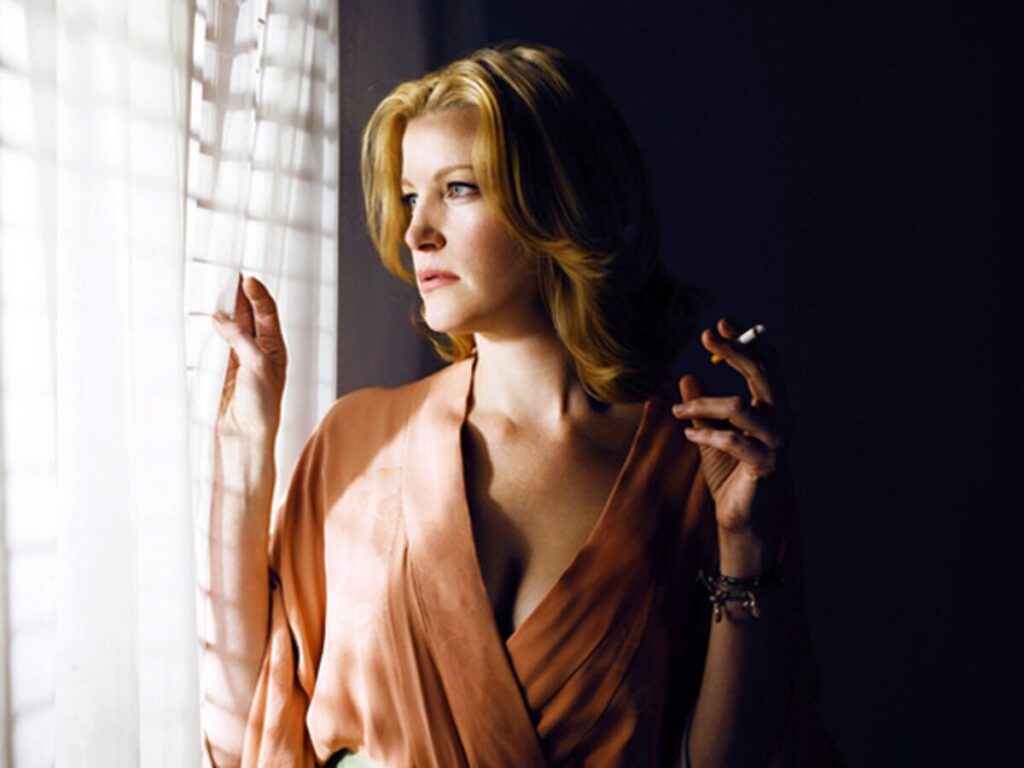
From mob wives to suburban martyrs, television has always known how to build a brilliant mother and then systematically let her down.
There’s a particular kind of frustration that comes from watching a TV mother be written brilliantly for five seasons and then abandoned, sidelined, or reduced to a plot device the moment the writers run out of ideas. It happens so consistently it barely registers for a lot of people, but it registered for me. These are seven of the most egregious examples, ranked by how much the writing owed them and how badly it failed to pay up.

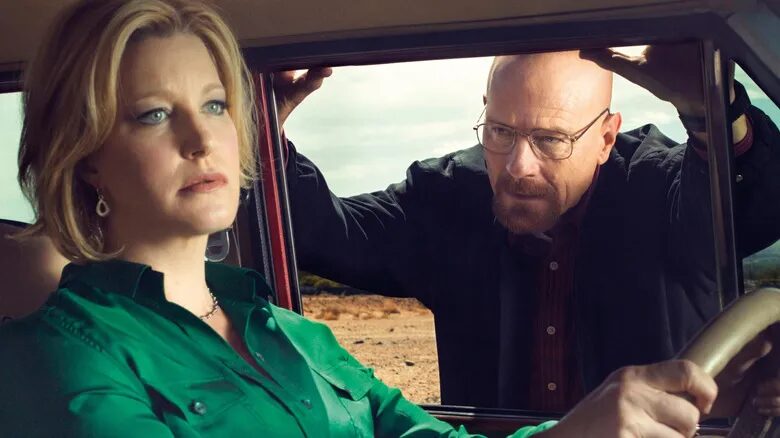
Skyler White, Breaking Bad (2008–2013)
Skyler did everything right. She figured out her husband was cooking meth. She pushed back. She protected her children. She was, by every narrative measure, correct. And for it, she became one of the most hated characters in television history, subjected to a torrent of misogynistic abuse so intense that actress Anna Gunn wrote an op-ed about it in the New York Times while the show was still airing. Creator Vince Gilligan has since acknowledged that the hatred directed at her was rooted in sexism. He’s right. Skyler’s crime was refusing to validate a man who was poisoning children. The show’s structure invited us to side with Walt, and most audiences did, and then blamed Skyler for being in the way. The writing put her in an impossible position, complicit enough to stay, moral enough to suffer, and then never quite gave her the full interiority she’d earned. Gunn won two Emmys for a character the scripts consistently underserved.

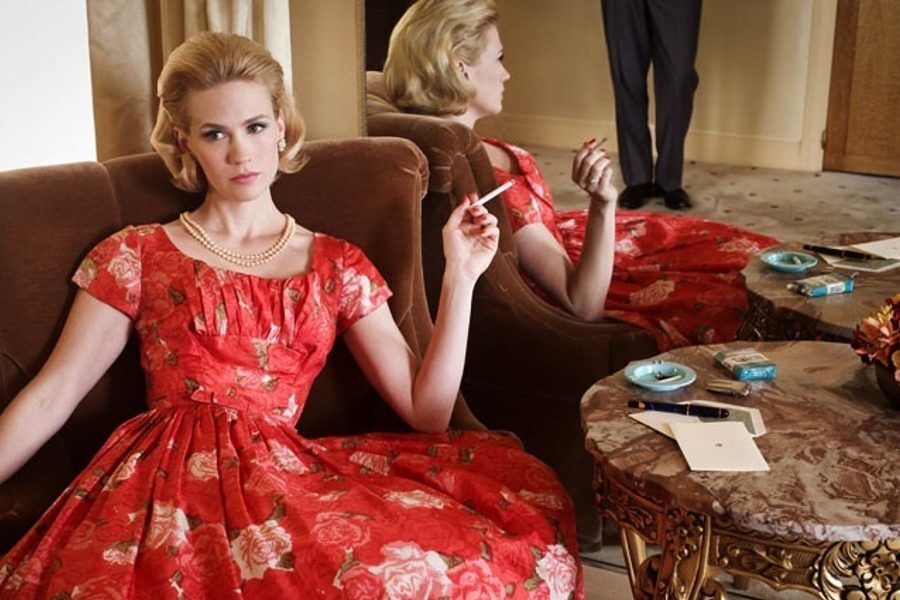
Betty Draper, Mad Men (2007–2015)
Betty Draper is a Bryn Mawr graduate who speaks fluent Italian and majored in anthropology. You’d be forgiven for forgetting that, because Mad Men spent most of its run treating her as a punchline: the cold, childish housewife, the contrast to the vital, ambitious women at Sterling Cooper. Critics called her a monster. Viewers begged for her to be written out. What they were actually reacting to was a woman shaped entirely by a system designed to flatten her, who displaced all her rage onto her daughter because she had nowhere else to put it, and slowly, quietly fell apart inside a life she’d been told was everything she should want. Betty Draper is the Feminine Mystique with a face. Her death scene in the final season is one of the most devastating in the show’s run. The series needed to almost lose her before it figured out how to write her.

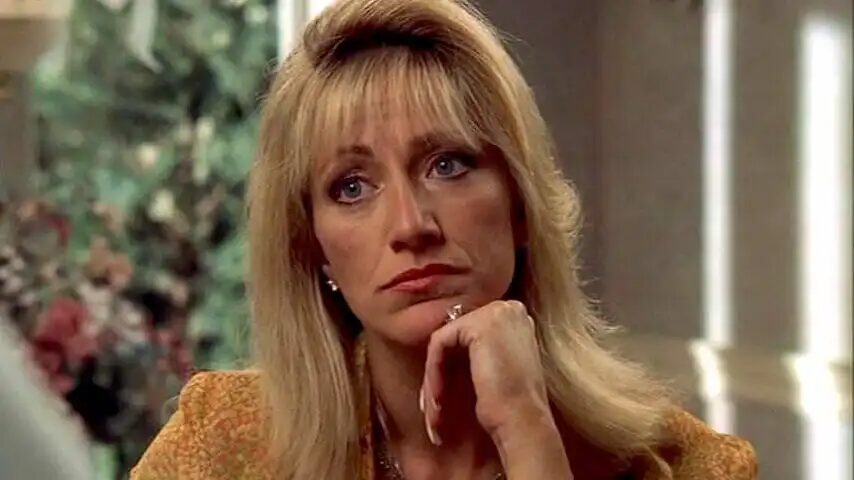
Carmela Soprano, The Sopranos (1999–2007)
No character on this list has been more under-discussed as a feminist object of study than Carmela. She’s been dismissed, for twenty-five years, as a nagging wife, usually by male viewers who found her scenes a distraction from the mob stuff. Edie Falco won three Emmys for this role. The character is a masterclass in moral compromise: a woman who knows exactly where her money comes from, has made a conscious decision to keep knowing, and has found a way to live with it that requires her to be terrible in small, specific ways. When a therapist she visits refuses to offer her absolution and tells her the marriage is built on blood money, she goes home and demands an extra $50,000 from Tony. Carmela got plenty of them. She is not underserved by her writing so much as systematically misread by her audience, which is a different kind of failure, one that sits with us, not the showrunners.

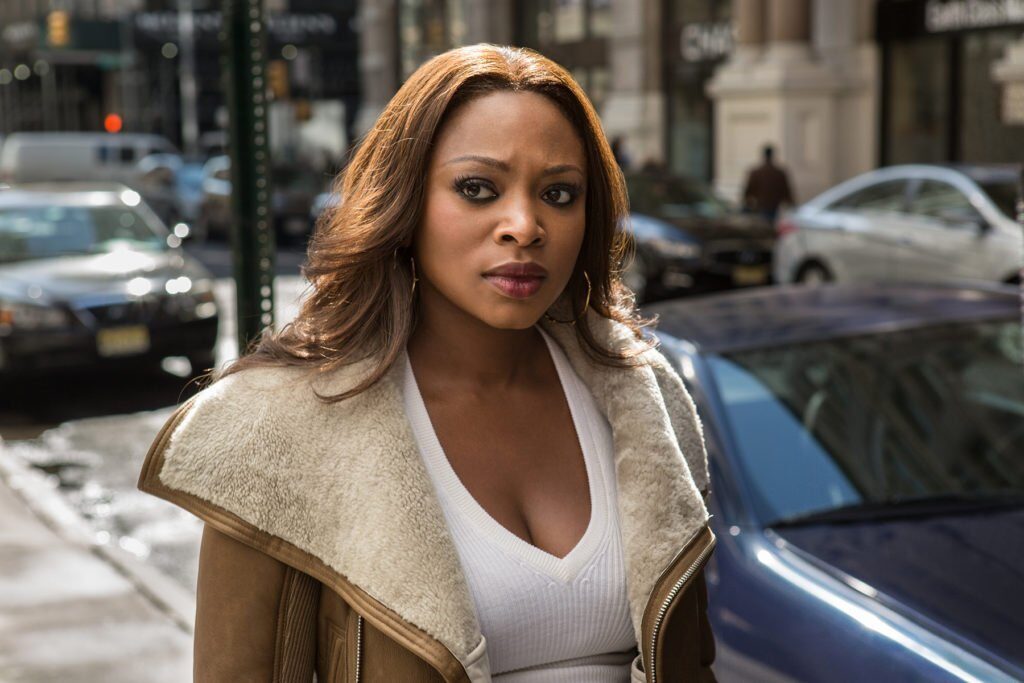
Tasha St. Patrick, Power (2014–2020)
Tasha literally built the empire. She provided alibis, laundered money, managed the loyalty of people Ghost couldn’t charm, and was consistently the sharper strategic mind in the marriage. The show knew this. It just couldn’t figure out what to do with it. For six seasons, Tasha exists primarily as the embodiment of everything Ghost is running away from: too street, too practical, not Angela. The writing codes her clear-eyed pragmatism as a character flaw rather than a survival skill, and her fierce protectiveness of her children as something adjacent to coldness. When her daughter Raina is murdered and Tasha moves to cover up the retribution killing, the show frames it as moral compromise rather than a mother doing what mothers in that world do. She ends the series in prison, taking the fall for a murder her son committed. The showrunner has said Tasha “took the weight” by choice, that this was power on her own terms. Audiences, particularly Black women viewers who recognised the archetype immediately, largely disagreed. Naturi Naughton won two NAACP Image Awards for a character the show spent six seasons treating as the price Ghost paid for his ambitions.

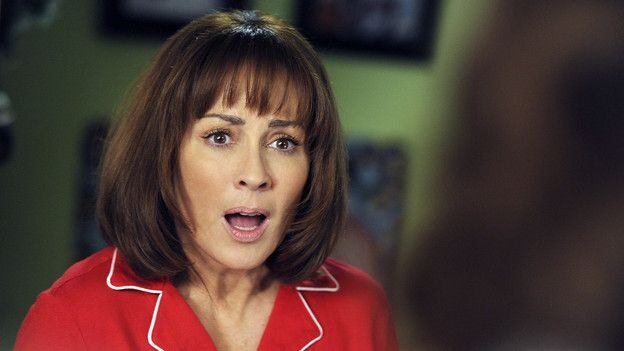
Frankie Heck, The Middle (2009–2018)
Frankie is the central character of nine seasons and the narrator of every single episode. She also never received a single Emmy nomination for the role, despite Patricia Heaton winning two Emmys for a structurally near-identical part in Everybody Loves Raymond. The show uses Frankie to carry the entire emotional weight of the family while simultaneously making her the punchline: perpetually overwhelmed, forgetting birthdays, failing at work, chaotic in ways the writing never interrogates. When she tries to go back to school mid-series to build something for herself, the storyline is played for laughs and then just dropped. Her own daughter Sue eventually diagnoses her as someone for whom “nothing turned out like she wanted.” The show never once asks why. Nine seasons of a character whose function is essentially to demonstrate that a working-class mother’s life is an endless series of small humiliations.


Lynette Scavo, Desperate Housewives (2004–2012)
Lynette is the only character on this list who explicitly didn’t want to stop being everything else she was before motherhood. She was the high-flyer in the relationship, the one with the career and the corner office waiting. She gave it up. She’s never allowed to stop paying for that. The show frames her ambivalence as a character flaw to be worked through rather than a structural condition worth examining. When she returns to work, the plot engineers crises at home that only she can fix. The message is consistent across eight seasons: the career was always optional, the motherhood was always non-negotiable. What’s maddening is that Felicity Huffman played her with real intelligence and edge, and the early seasons, when the writing is honest about how relentless small children are and how invisible full-time mothers become, are genuinely good. But the show could never commit to the argument it kept almost making. Every time Lynette got close to claiming something for herself, the plot snatched it back. It built its most politically interesting character and then used her, repeatedly, to demonstrate that ambition in a mother always costs someone something.