
New Femicide Census data reveals the highest annual rate of suspected matricide since records began, as Jess Phillips prepares to read 108 names in parliament.
New figures from the Femicide Census show that sons were the suspected killers in almost one in five of all women killed by men in the UK over the past year, the highest rate recorded in the organisation’s 16-year history.
The independent project’s Counting Dead Women initiative recorded 19 mothers killed in cases where sons are suspected or have been charged, out of 108 women killed by men in the 12 months since the last International Women’s Day. Suspected matricides accounted for around 18% of all cases.
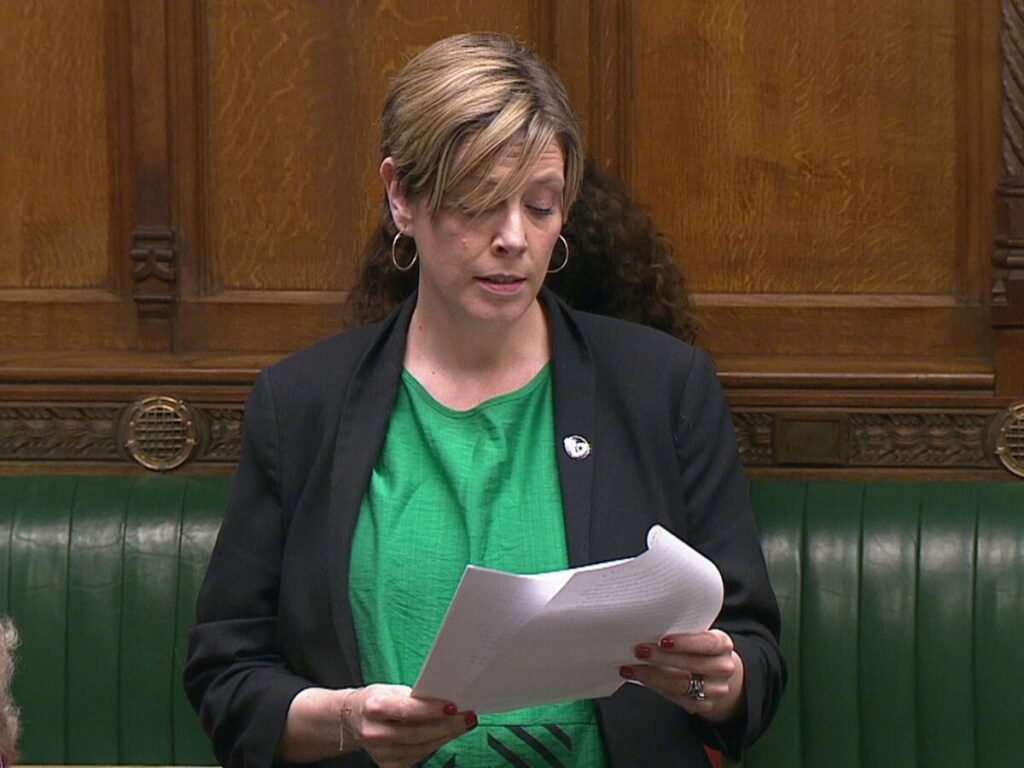
The figures are being marked in parliament today, as Labour MP and Home Office Minister for Safeguarding Jess Phillips reads the names of all 108 women aloud during the International Women’s Day debate in the House of Commons. It is the 11th consecutive year Phillips has performed the reading, and she is expected to request extended speaking time because the list takes longer than the standard slot allows.
Clarrie O’Callaghan, co-founder of the Femicide Census, said the organisation had watched “in horror” as suspected matricides rose year on year. She linked the trend to failures across mental health services, substance misuse provision and housing, pointing out that men who kill their mothers often have histories of abusing previous partners, and have moved back into the family home after those relationships ended.


“Women are rarely recognised as being at risk of fatal violence from their sons and there are few dedicated services for older women in the whole of the UK,” O’Callaghan said.
The data builds on the Femicide Census’s 2,000 Women report, published last year, which analysed 15 years of legally completed cases and found that more than 170 mothers had been killed by their sons between 2009 and 2021. Mental ill health was a factor in 58% of those cases. O’Callaghan has said that no state agency has yet formally acknowledged matricide as a category, let alone taken responsibility for addressing it.
The government published its violence against women and girls strategy in December 2025, backed by more than £1bn and built around a stated ambition to halve violence against women and girls within a decade. Women’s sector organisations welcomed the strategy as a step forward, in particular because it was the first to use the word “femicide” explicitly. But campaigners, including the Femicide Census, have said the funding announced does not represent new money and that specialist women-led charities remain at serious risk of closure.
O’Callaghan said: “We need new money, not previously committed money redistributed. Specialist women-led charities are at risk of closure. This has been going on for years in the sector, and this is a government that knows that, and yet there is little change on the ground.”
Today’s reading comes as the Femicide Census continues to call for targeted policy focused specifically on matricide, including improved risk assessment for older women living with adult sons, closer integration between mental health services and domestic abuse provision, and dedicated support for mothers experiencing violence from their children. As The New Feminist has reported, the current domestic abuse policy framework remains largely built around intimate partner violence, leaving this cohort of victims with few routes to recognition or help.
If you have been affected by any of the issues raised in this article, you can contact the Rape and Sexual Abuse Support Line on 0808 500 2222. In the UK, the national domestic abuse helpline is 0808 2000 247, or visit Women’s Aid.