
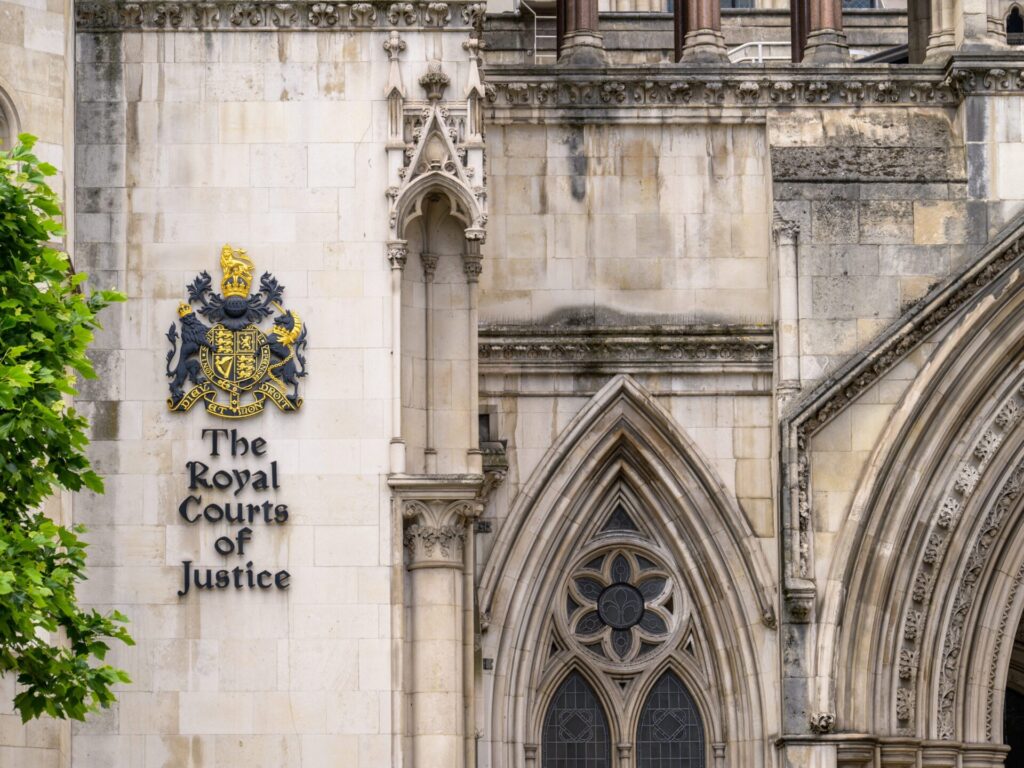
The Ministry of Justice have announced longer minimum sentences for domestic homicides, a move met with praise and further need for reform from leading charities.
Monday, 29th June, the Ministry of Justice released a press statement announcing that the starting point of its minimum sentence for domestic homicide has been extended. Adding 10 years to the starting sentence, bringing the starting sentence to 25 years.
In the latest update of the statement, the government also declared that by closing the ten-year gap, “domestic murders are dealt with the same severity as other murders – regardless of whether they happen at home or anywhere else. This comes as a result of a seven-year-long campaign led by the mothers of two victims of domestic homicide, Ellie Gould, 17, who was murdered by her ex-boyfriend on 3rd May 2019, and Poppy Devey House, 24, who was murdered by her ex-boyfriend on 14th December 2018.


According to the Female Census, a woman is killed every 3 days and over half of them are killed by a current or ex-partner.
Deputy Prime Minister and Justice Secretary, David Lammy, said in the statement:
“For centuries, the law failed to protect women from violence at the hands of their partner – whether from marital rape or from abuse behind closed doors. Whilst we’ve made significant progress, we need to continue righting these wrongs.”
“This change closes a long-overdue gap and will ensure those who murder their partner face sentences that better reflect the devastating harm they cause.”
The press statement also states that the measure will be introduced as soon as possible.


This change in the legal framework has been welcomed by different charities even if it isn’t foolproof.
Women’s Aid response statement:
“While this is a welcome step, we continue calling for greater reform in the criminal justice system, including mandatory domestic abuse training for all those working with survivors or handling their cases. We are also calling for greater investment in survivor support – all of these deaths are preventable, and no woman or child should have to live in life-threatening conditions.”
Refuge released a statement in response:
“While longer sentences cannot undo the immeasurable loss and trauma caused by domestic homicide, they are an important step towards delivering justice for bereaved families and sending a clear message that violence against women and girls (VAWG) will not be tolerated.
Alongside the increase in life sentences for perpetrators, we welcome the recognition that women who kill their abusers should not be subject to these stronger sentencing provisions.

However, the changes do not address cases where perpetrators who kill a current or former partner are convicted of manslaughter rather than murder. The partial defences frequently relied upon in these cases must also be reviewed to ensure that domestic homicide perpetrators are held fully accountable and receive sentences that reflect the seriousness of their crimes.”
Thumbnail from @depositphotos