Netflix’s new film Apex has sparked strong criticism from women in outdoor adventure sports, who say women should not be afraid of nature. Apex follows the journey of a female adventurer Sasha who seeks solace in the Australian outback after the tragic death of her partner Tommy on a climb in Norway.
Here she is hunted by a psychotic local ranger Ben, leaving her in a fight for her life.
“It is another film that portrays a woman as being threatened and stalked and having to have fear whilst being outside.
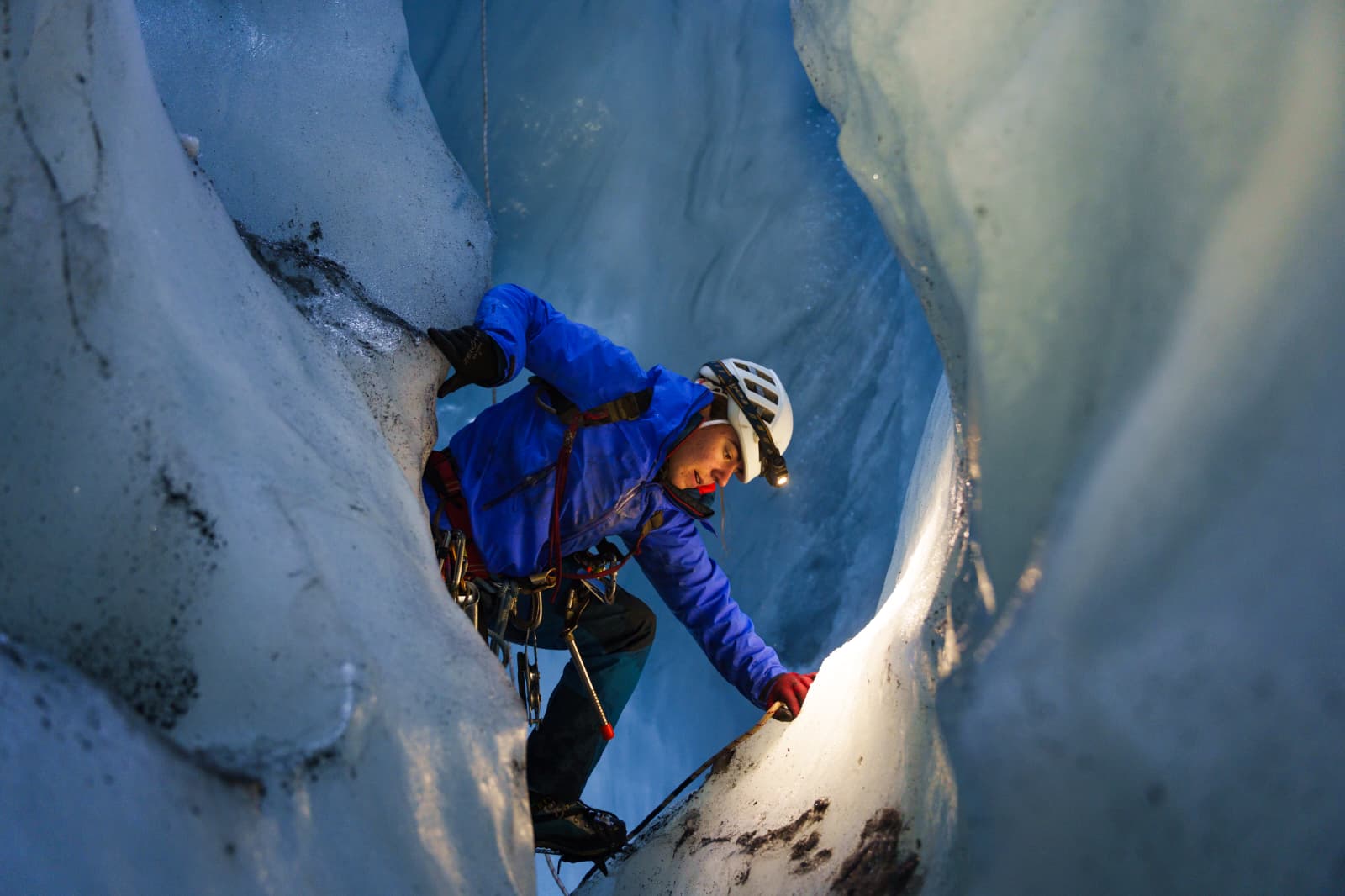
“I feel way safer in the mountains than I do walking down the street at night,” said Aila Taylor, a 25-year-old professional winter climber and caver.
Aila says that women’s safety in outdoor pursuits should not be overlooked. But that the narrative presented in Apex, risks deterring women from the outdoors.
“Sometimes discussions about women’s safety do stray towards just reinforcing that stereotype of women being more powerless or less competent. Apex does risk reinforcing that stereotype as well.

“In the mountains, it’s just me and the weather and the elements. And although the mountains are unpredictable, they’re still more predictable than the actions of random men on the streets.”
Experienced mountain leader Rosie Aldridge shared the same sentiment.
“I think the idea of being hunted is a bit ridiculous. It’s not representative of what is going on. There are women out in remote areas not being hunted; they are getting on with their own projects.
“Just like any male person would be but are they being hunted by a woman? The media does spiral into that damsel in distress type narrative.”
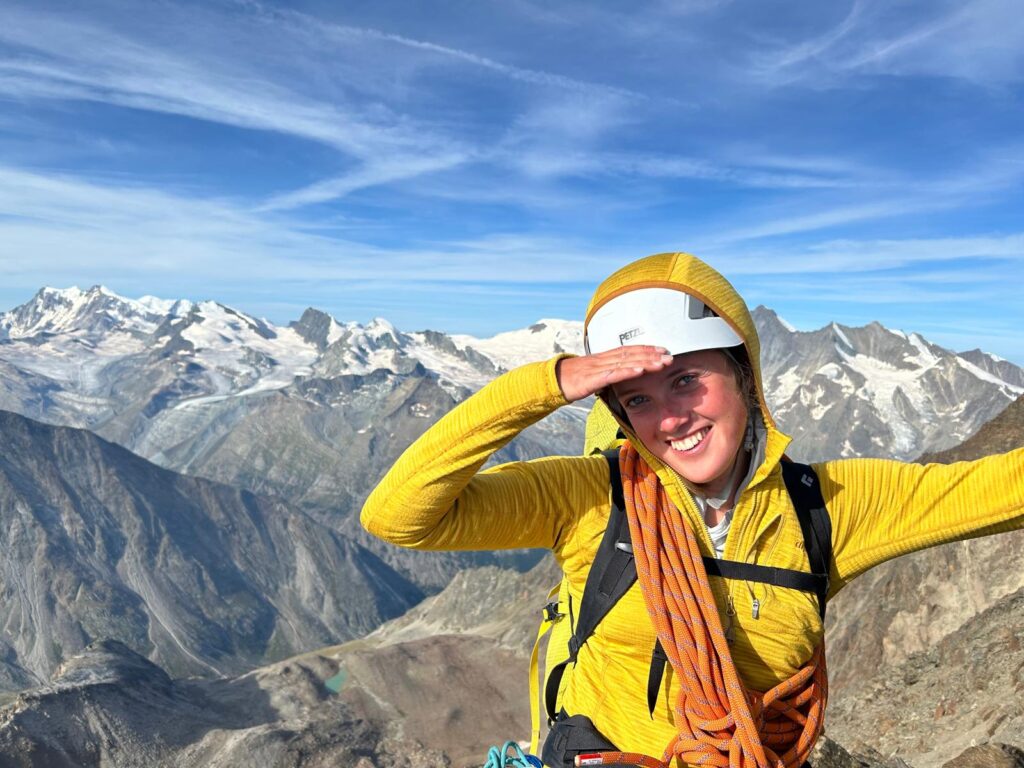
Ebba Astill-Murray, 22, says Apex is “difficult to watch as someone who would choose to go hiking alone.”
She feels like while Apex presents an “non-encouraging” narrative, women’s safety in the mountains is still a concern.

“Ultimately there is a genuine issue of safety that you can’t help but be reminded of.
“There was one situation where I got stuck at a crag (climbing area). We had to hitchhike to go home, I wouldn’t have done that if I didn’t have male friends with me. I probably would have stayed another night.
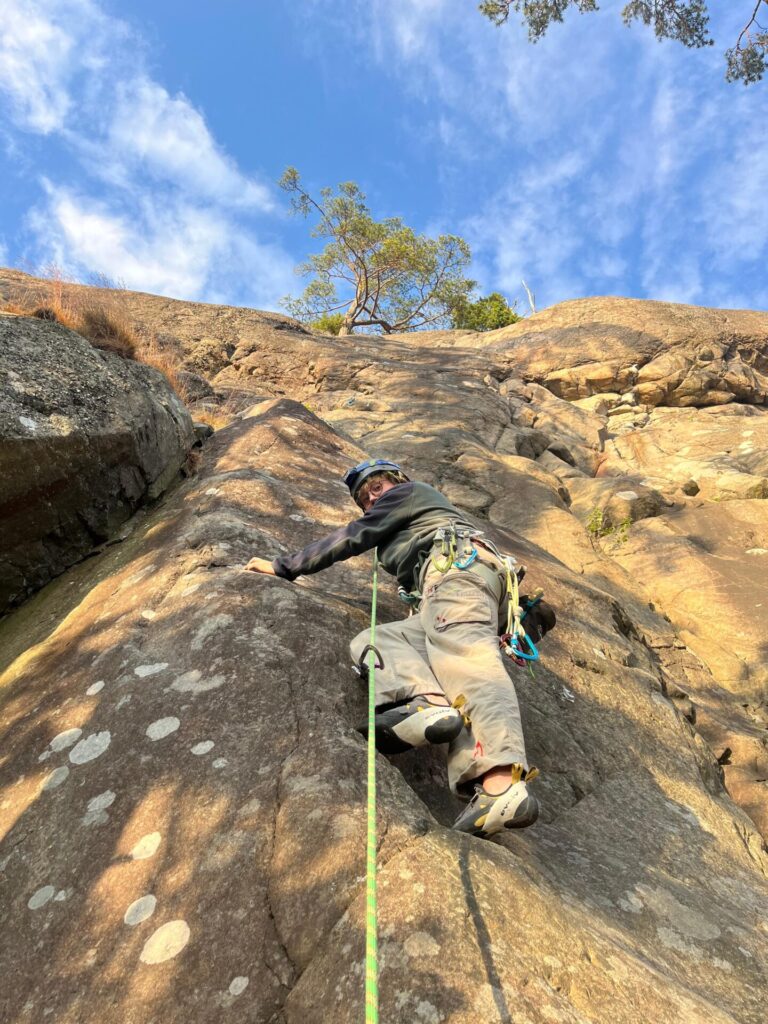
“It sucks that there is safety in having male friends, it’s not fair that it is necessary.
“I feel like we (women) don’t have the same outdoor independence because of these safety concerns which is often stopping people engaging with the outdoors as much as they might want to.”
The gender balance in outdoor climbing, while improving, is staggering with only 10% of mountain instructor awards being given to women, according to the British Mountaineering Council.
Aila says mansplaining and micro aggressions are commonplace in the climbing world, especially among men with less experience than her.
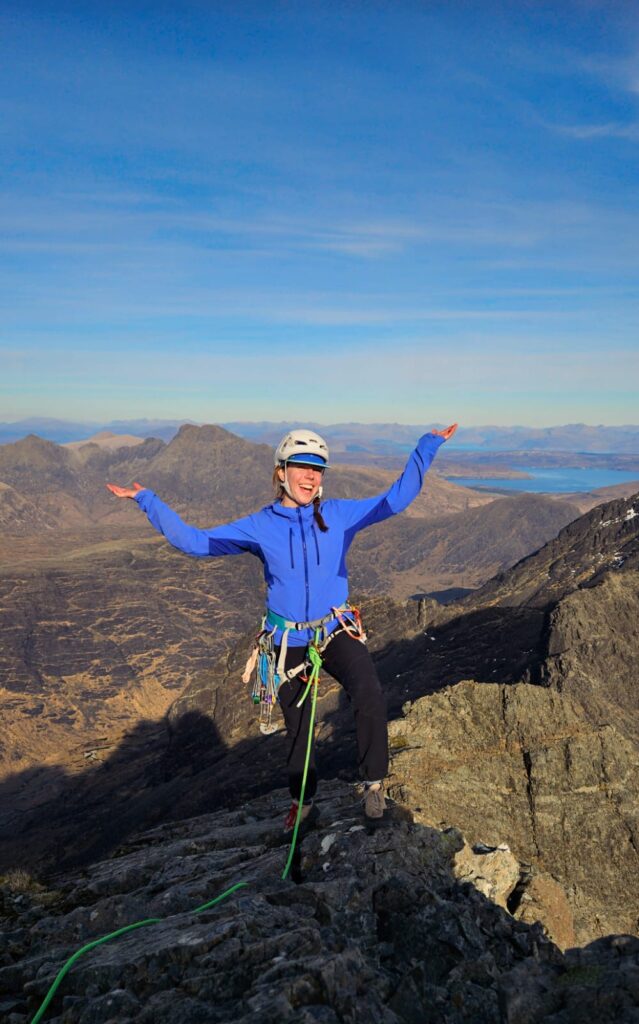
“Once I was climbing and I was wearing mascara and someone made this comment like, oh, you know wearing makeup isn’t going to make you climb any better.
“And I’m like, yeah, I know, but I enjoy it and that’s who I am. I felt for a long time that to be taken seriously, especially when going into more extreme expedition style spaces, I almost had to suppress my femininity, pretend to be another one of the men. Because I had to try and fit in and it was hard enough to try and be accepted.

“I’ve now reached a stage where I just don’t care and it’s actually quite fun, like being able to disarm people by seeing them make a judgement about you and to make it an expectation and then kind of deconstructing it.”
Other female climbers share the same consensus, that it is less qualified men who look down on them the most.
“In hiking and climbing, the higher up you get the less it matters,” said Rosie, who teaches mountaineering and hill skills to children and adults.
She added: “The people who I teach tend to be the most misogynistic. So I get people mansplaning things to me whilst I’m working. Or making comments and micro-agressions. I have had men generally look down on me. Maybe because I am quite young.
“I was climbing with two friends out here (In Norway). We were talking about some big technical ridges. And I kind of just got this tone of like it’s really quite technical, I don’t think that’s for you… When I know I had more experience than both of them combined.”
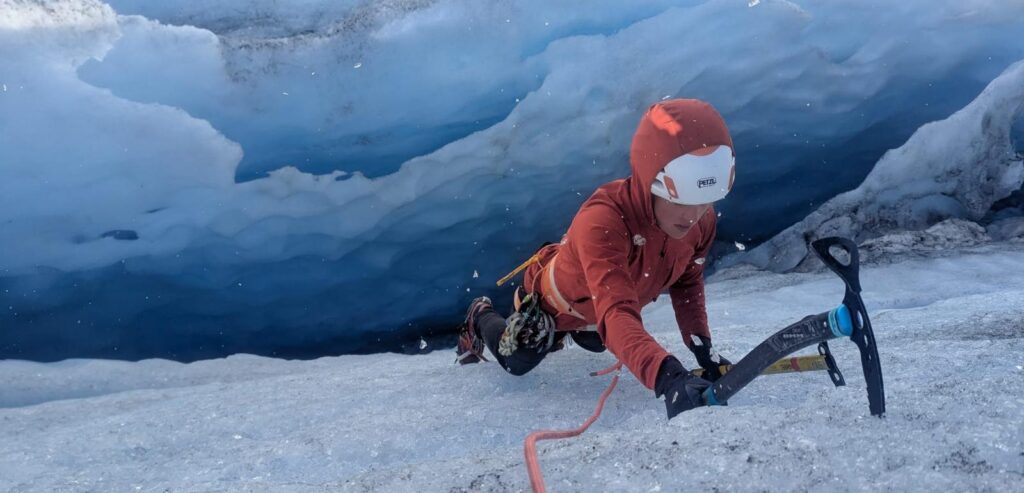
Even some of the most accomplished mountaineering women experience judgement from the men in their field.
“When you look at some of the top female mountain guides in the Alps, I’ve spoken to a lot of them and they’ve experienced misogyny a lot of times. They’ve had to try really hard to break through into that space,” said Aila.
Women in outdoor adventure sports like Aila, Rosie and Ebba clearly face barriers. But they say Apex only scares women from enjoying the great outdoors.