
Content warning: This article contains mentions of sexual violence, rape, sex trafficking, child sexual abuse, forced abortion and allegations of murder.
As the Epstein files expose the depth of institutional complicity in sexual violence against women and girls, the concept of feminicide offers a framework for understanding not just what happened, but who and what made it possible.
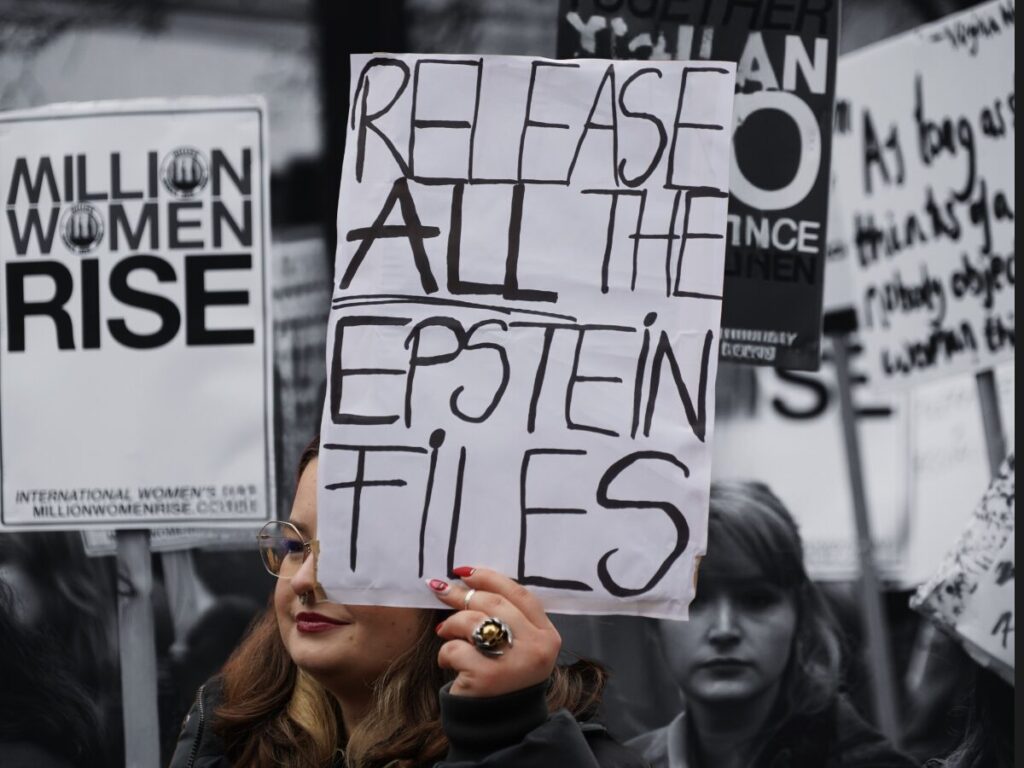
In late January, the United States Department of Justice released over three million documents related to the Epstein files. These documents include pictures, videos, court documents, investigative documents such as witness interviews conducted by the FBI, and personal correspondence among those involved. The files include 2,000 videos and over 180,000 images, detailing the horrific and graphic rape, sexual assault, sex trafficking and, in some cases, alleged murder of women and girls as young as 13, with allegations that there may be victims who are even younger. The files implicate even more sinister acts: depraved isolated sex acts, sex slavery, strangulation, forced abortions, torture and allegations of murder.
Throughout the files, we see the repeated disregard for young women and girls, the desecration of their bodies, their autonomy, and an absolute inhumanity towards their existence by the powerful men involved. The exertion of this power over women’s bodies, the depth of coercion against these young girls, the severity of abuse: these are where the roots of feminicide meet the apparatus of power upholding it.
Feminicide, distinct from femicide, reorients the focus of violence and murder against women to the systemic and structural conditions surrounding it, and the impunity those structures allow. Femicide focuses on the act of murder or violence against women. Feminicide refocuses that into the social-political, implying that a structure, such as a state, or actors affiliated with the state, bear responsibility for either the act of murder specifically directed at women or the violations of women’s rights on the basis of gender. The creator of the term, Mexican anthropologist Marcela Lagarde, intentionally coined it to address situations where there has been a lack of action from the state to prevent or prosecute these crimes.


The Epstein files reveal how feminicide operates at the highest levels of power in America. Among Epstein’s elite associates, current sitting president Donald Trump and former president Bill Clinton are named as allegedly taking part in sex crimes against women and girls. Former president George W. Bush is also named in the files, though those claims have not been corroborated; no witnesses were contacted in relation to him, and he was not approached by the FBI, as was the case for Clinton. The list of prominent names runs the gamut of academics, musicians and politicians. Not everyone mentioned across the files has been accused of crimes related to Epstein, but what is clear is the environment of complicity within members of the American government and American institutions, such as Columbia University and NYU, that allowed Epstein to enact this level of gender-based violence free from accountability for so long.
Signed into law in November 2025, the Epstein Files Transparency Act was supposed to offer long-awaited relief in the pursuit of truth and accountability. As reported by NPR, Politico and the White House Department of Justice, files related directly to President Trump and his alleged crimes were illegally removed from public availability, allegedly on political grounds, shielding Trump and creating yet another obstruction to holding the flawed American system accountable. After public backlash, some of those files were released, though it has been reported that others have yet to be made available.

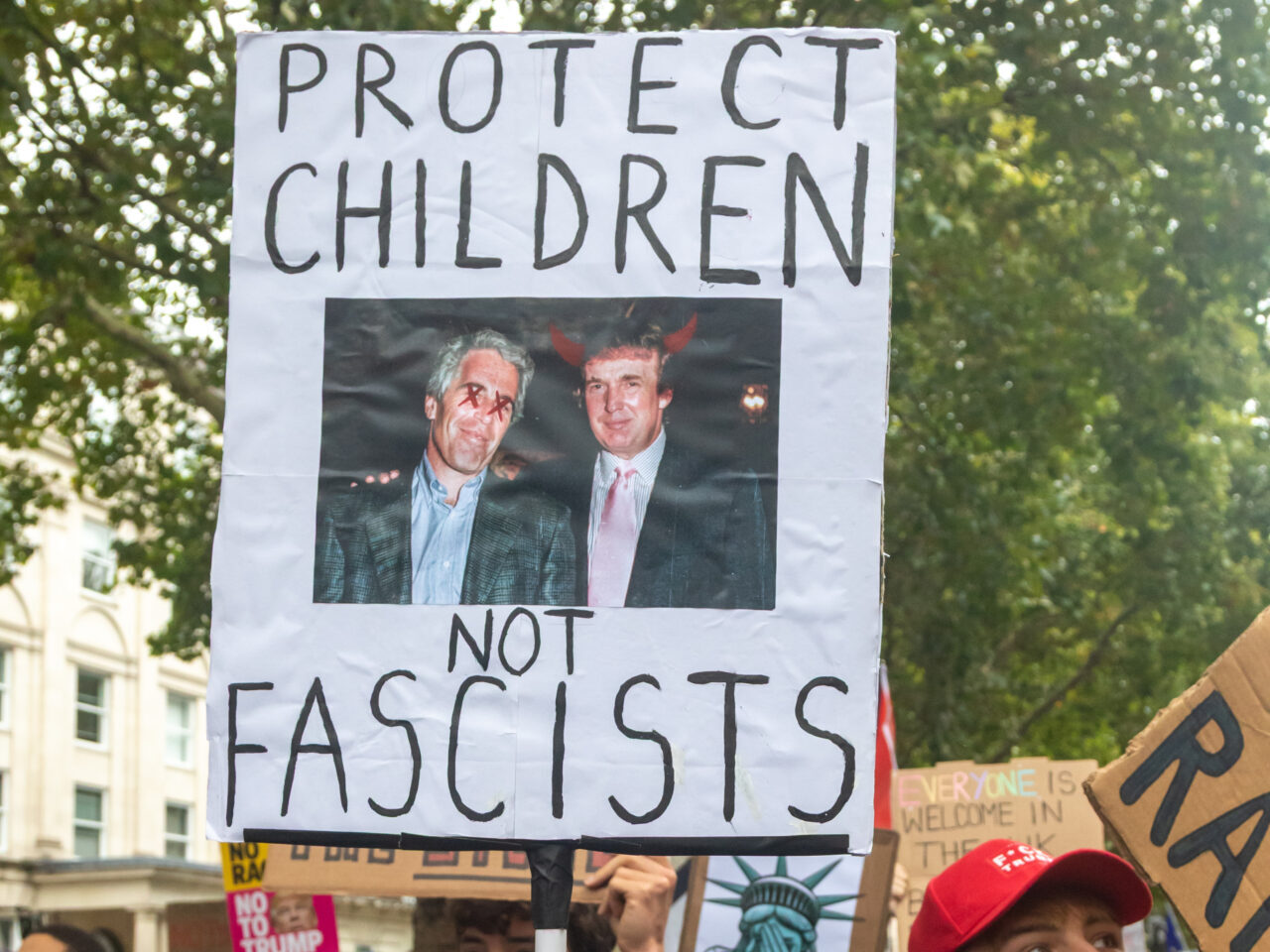
Beyond the blatant disregard for women and girls by the American elite, the transnational reach of Epstein’s sex crimes and network, spanning the United Kingdom, Europe, Russia and the Caribbean, points to something beyond American complicity: international passivity towards protecting the dignity of women and girls. Exacerbating this is the evidence that Epstein and his associates were not only aware of their alleged crimes but of their longstanding “untouchable” positions; they revelled in weaponising power, coercion and control against their victims. It is almost too easy to focus on the acts of the men involved without recognising that in Epstein’s infrastructure of violence against women, women too played essential roles.


Excusing the access that women allegedly involved afforded Epstein, his friends and their powerful husbands is to excuse how powerful women in proximity to Epstein benefited from the same system of exploitation. Former Secretary of State Hillary Clinton, while denying in congressional testimony any knowledge of Epstein’s crimes, received $20,000 in donations for her Senate run in 1999 through a joint fundraising committee with the Democratic Party. Epstein also donated $25,000 to the Clinton Foundation in 2006, one year before his non-prosecution agreement in 2007, in which two of the assistant Florida state attorneys involved were women. According to in-depth reporting from Politico, women who ran in elite social circles, such as former Miss Sweden Eva Andersson-Dubin and publicist Peggy Siegal, facilitated Epstein’s access to exclusive circles even after his 2007 non-prosecution agreement. Women executives, such as Linda Stone and those within prestigious institutions such as MIT, were also affiliated with or accepted money from Epstein.
Complicity in Epstein’s crimes from women in his proximity extends beyond those who provided victims, arranged trafficking or took part in the abuse directly. The women who approved his donations, kept him in wealthy and exclusive social circles, and generated positive press coverage contributed to his operations by protecting his reputation and maintaining his access to the networks that sustained his social status. Women such as Siegal, in turn, benefited from Epstein’s financial resources and connections. Each of these powerful women had a stake in his freedom.
According to a statement released by the UN in February 2026, Epstein and the alleged crimes of his accomplices may amount to crimes against humanity, torture and femicide. As ground investigations begin on Epstein’s Zorro Ranch, where allegations have been made that two of his slain victims may be buried, per the Guardian, and the American public continues to grapple with how systems of power create pathways that protect men who deem women’s lives worthless, the urgency of a genuine reckoning is undeniable.

Feminicide, by definition, exposes the gaps in political and social systems that leave women and girls vulnerable to the likes of Epstein and those around him. Epstein used both his wealth and social connections to exploit vulnerabilities that too many women in America have experienced on some level. Through the proper investigation and removal of those allegedly involved, including members of the FBI and Justice Department who contributed to hiding and redacting files, and through genuine public access to the truth, America has an opportunity to implement the laws, education and safeguards that might prevent another Epstein. That includes confronting the presence of sitting president Donald Trump, who carries a long history of sexual assault accusations and who, according to accusations in the Epstein files, sexually assaulted a minor and coordinated a forced abortion.
America must start by naming and recognising the crime of feminicide at every legal level available to it, both domestic and international. Naming it is what makes appropriate justice possible. Latin America has led the way on feminicide prevention and response legislation, with countries such as Mexico defining the crime and administering penalties that include obstruction of justice. America has the opportunity to follow suit. Over the decades, Epstein enacted his abuse of women and girls; there were multiple opportunities at political, institutional and local levels to hold him accountable. Institutions like MIT could have barred donations from accused sex offenders. Publicists and press outlets could have refused to print positive coverage of him. Politicians could have moved to restrict his influence. Across the board, America failed Epstein’s victims while upholding his status, as is true for other men named in the files. For as long as men like Epstein and his associates go unchecked, enabled by systems of power and protected by institutions, the price of feminicide will continue to be paid by the women and girls whose lives they consider worthless.