As third spaces disappear and screen fatigue sets in, Trelawny McKenzie is building the community platform people are desperately searching for.
In the years following the COVID-19 pandemic, mental health issues still remain prevalent. The need to connect in third spaces has only increased, so why is the loneliness epidemic persisting? A 2023 article in the Guardian reported that the World Health Organisation had declared loneliness a global issue, a direct result of economic and social activity significantly slowing during the pandemic. Contributing factors include the cost-of-living crisis and social media culture, both of which the pandemic has accelerated, with a report published by Ipsos in August 2025 finding that 36% of 18-36-year-olds reported feeling lonely weekly.
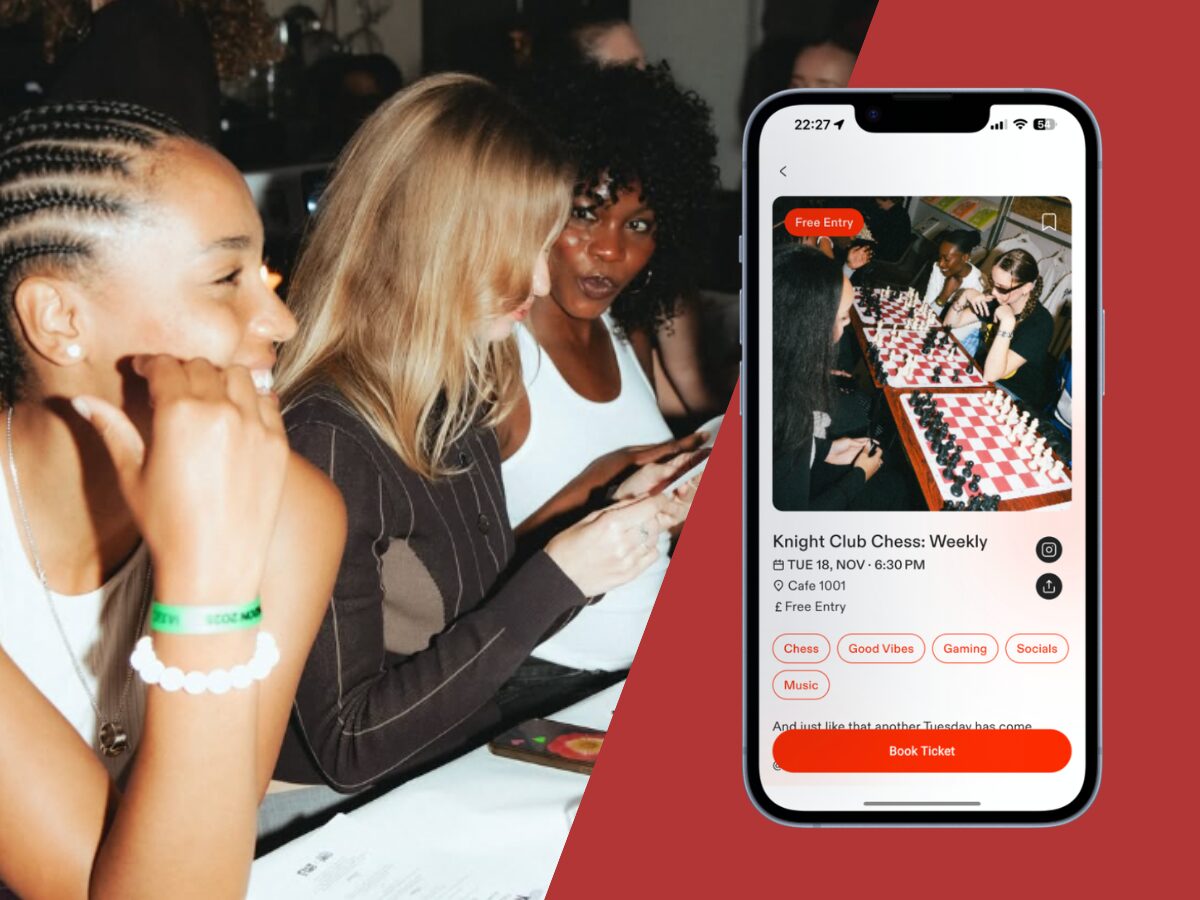
I spoke to Trelawny McKenzie, founder of Outr, a London-based social app helping people discover grassroots events in their local area and connecting them with nearby people who share similar interests. Trelawny describes it as “an app for third spaces and community”, while also seeing the technology as “a conduit to relationships rather than being a barrier.”
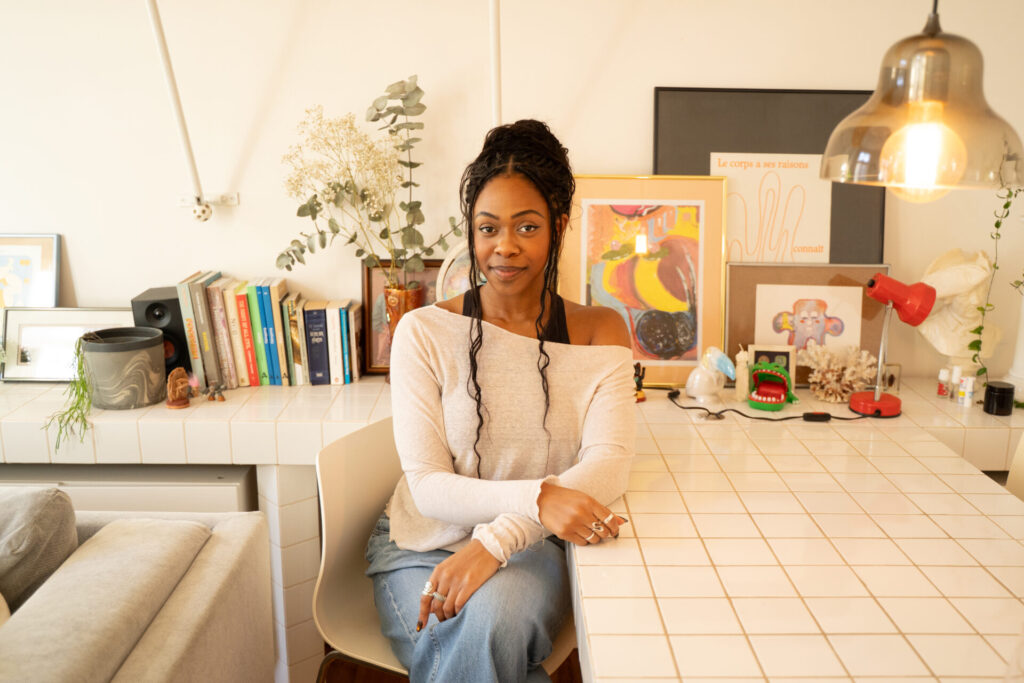
Trelawny points out that, for the same reason people are craving real-life meet-ups after the pandemic, many community third spaces have disappeared. “I think the issue is that there is a huge erasure of these spaces. It’s amazing we have them, but they’re on the decline.” By 2024, the UK was losing a grassroots venue every two weeks.
“We’ve got these community collectives that are existing and popping up. But what we need is a platform that kind of brings everything together. We don’t have that yet, and we particularly don’t have one that is inclusive of everyone,” Trelawny explains. Recent research from the charity Right There revealed that 41% of community groups that started in March 2020 have stayed on, branching out from offering pandemic assistance. So while grassroots communities are growing, the physical spaces that once anchored them are shrinking, and finding those communities can still be difficult.
As a result of long-term online interaction, Trelawny notes that people are struggling to find IRL meetups. A recent study by Eventbrite described the “Instagrammable” era as fading, noting that 46% of Gen Z are limiting screen time, with 74% saying in-person meet-ups are more important than socialising online.
The same Eventbrite study also showed that in 2026, 79% of 18-35-year-olds plan to attend more in-person events. The age group are “trading passive attendance for active participation, predictable venues for surprise locations, and forced networking for organic connection on their own terms.”
When asked about the gap in the market, Trelawny points out that many existing apps have adopted community as a focus only as a way to capitalise on and diversify their user base, and users can feel that. “We have Resident Advisor for the 3am crowd, but what about the rest of the day? Where’s the platform for the chilled stuff, the soft stuff, the community events? Once I realised it wasn’t just me searching for this, it became clear there was a gap in the market.” As a result, young adults can still often feel lonely.

A 2022 report from Campaign to End Loneliness showed that minority groups were more likely to experience high levels of severe loneliness. LGBTQIA+ individuals are 15% more likely to be affected, and for some ethnic minority groups this rises to 14%. Because of this, different minority communities are well-practised at creating their own spaces, as Trelawny explains. “Minority groups historically are quite good at curating spaces for themselves and collectors. I think women naturally gravitate toward creating these environments and safe spaces, and the same goes for the queer community.”
From 2019 to 2022, there was a 22% decrease in queer nightclub venues in Greater London, from 256 to 198 venues. Community third spaces, as Trelawny describes them, are also safe spaces for different minority groups. According to the Foundation for Future London, between 2018 and 2023, community centres closed disproportionately in the poorer areas of London.
Research from the Mental Health Foundation shows that a sense of community can provide not only a sense of purpose but also a feeling of belonging, safety, and support.
The years since COVID-19 have made clear just how much community matters. While many are looking to attend more in-person events, barriers remain, and the loneliness epidemic shows no signs of resolving itself on its own.
As Trelawny puts it, the work is still in progress. “I am going to push this message that we need these spaces, we need to be bringing people together. We need all of these groups, these segmented groups and societies to feel like they have a place.”