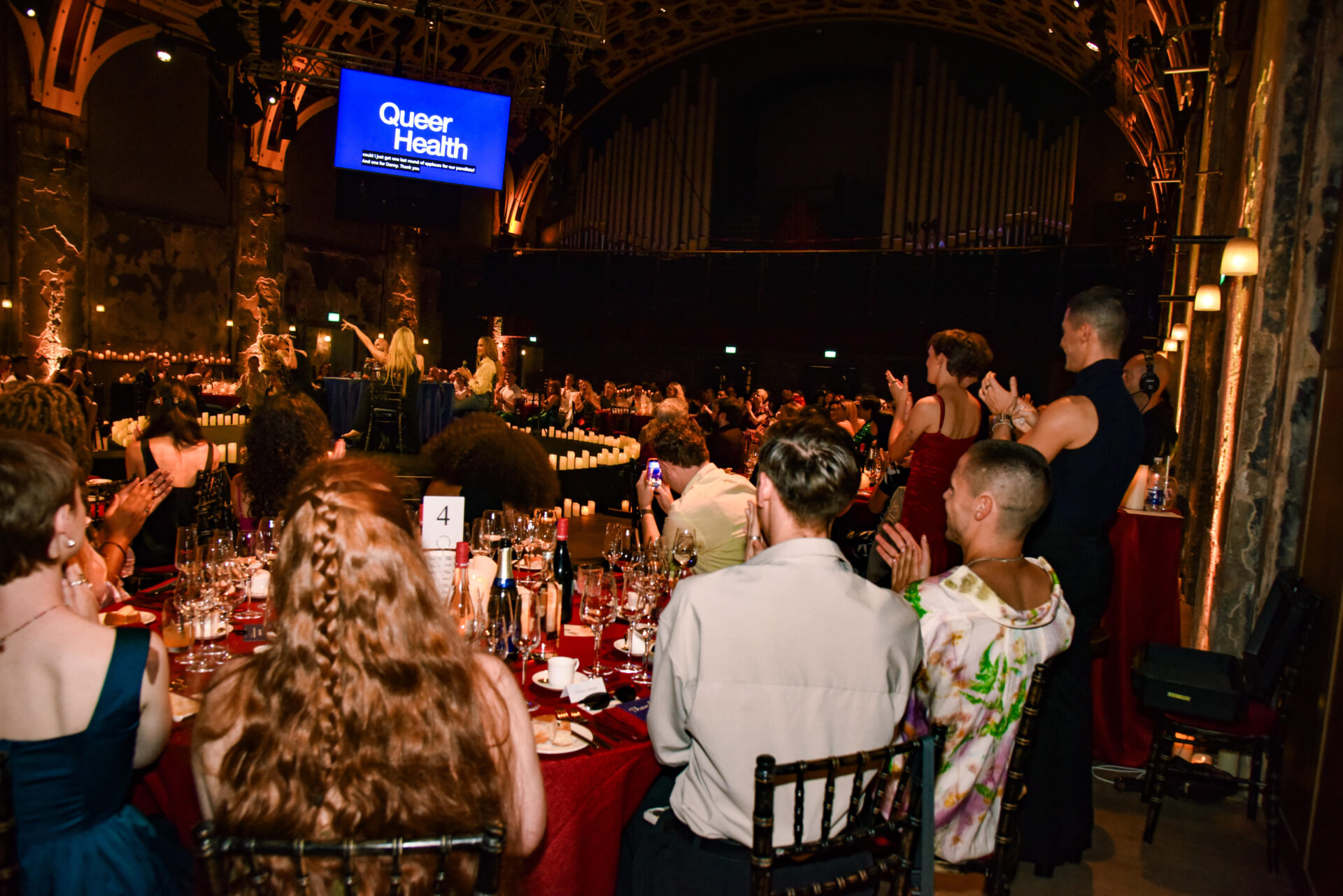
Heartstopper star Yasmin Finney appeared alongside prominent figures in national health legislation to raise money for queer health initiatives.
The inaugural gala, taking place in London last Thursday, aimed to raise funds for the Queer Health charities “Not a Phase” and the “LGBT Foundation”.
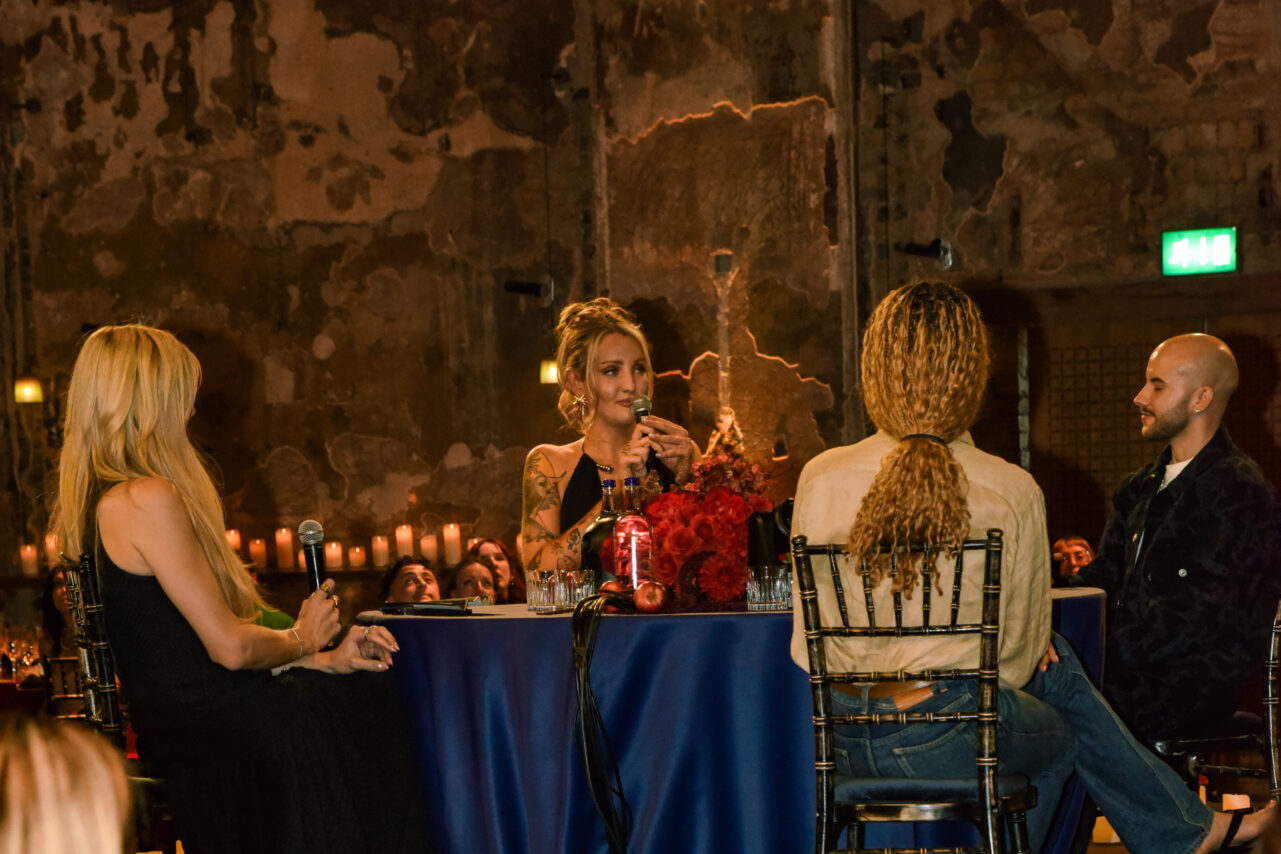
Four sets of panellists spoke throughout the night, following the themes of: Transition, Sexual Health, Family and Mental Health.
Finney said on her panel: “I have put my health on the back burner because I’m trans, because I’m not respected by the NHS.”
“I’ve experienced that deep dark hole where you are misgendered and hate-crimed, and there’s not really much you can do about it.
I want to use my voice to make sure we ultimately have everything we ever wanted.”
Each panel pushed beyond boilerplate issues that dominate press cycles and instead focused on practical issues that queer people face throughout the healthcare system.
How birthing rights and bedside manner should work for lesbian couples, what barriers trans people face in preserving fertility prior to transition, and what the birthing process is like for transgender men were focal points throughout the night.
These issues are currently treated as specialist knowledge, with queer patients forced to shoulder the responsibility of researching the legal intricacies of a healthcare system not designed for them. One panellist told an anecdote where, over the course of a six-year medical education, they received three hours of training on how to handle queer patients.
When this is the standard, a room full of medical professionals discussing the minutiae of a system that most are being forced to navigate alone is a significant achievement. It provided hope of a future where discussions of healthcare for queer people are as reflexive and prescriptive as most medical conversations should be.
Panellist Jacob Stokoe said: “Just being in the room as a transgender person who’s given birth does as much as any education could.”
Growing threats queer people face across healthcare and education were also raised throughout the night.
The most pernicious threats to trans healthcare and hormone access were a consistent talking point. Beyond that, the sexual health panellists spoke of the difficulties in providing queer education in schools as guidelines around what is allowed to be taught become more stringent.
Dee Withnell, panellist and sex educator, spoke to The New Feminist, stating: “As a non-binary person, my identity is seen as a ‘concept’ by the guidance. So when I go into a school, I don’t have to be respected or accepted for my identity.
“How am I meant to include that identity in my education when I’m not respected?”
Dee says they’ve seen more and more young people instead turn to AI to diagnose potential STIs for them as restrictions on what can be said in schools, and what words can be used on social media, become more severe. This creates a particular risk of STIs going undetected for queer people, as biased data leaves people with different sexual experiences at a massive disadvantage.
Withnell said: “I’m seeing from young people that they are now using AI to fill in the gaps that sexual education is leaving for them and asking AI questions about how to perform sexual acts”
Sex educator Reed Amber also read out a list of terms that are filtered out on Meta-owned platforms – this includes HPV, UTI and Vaginismus.
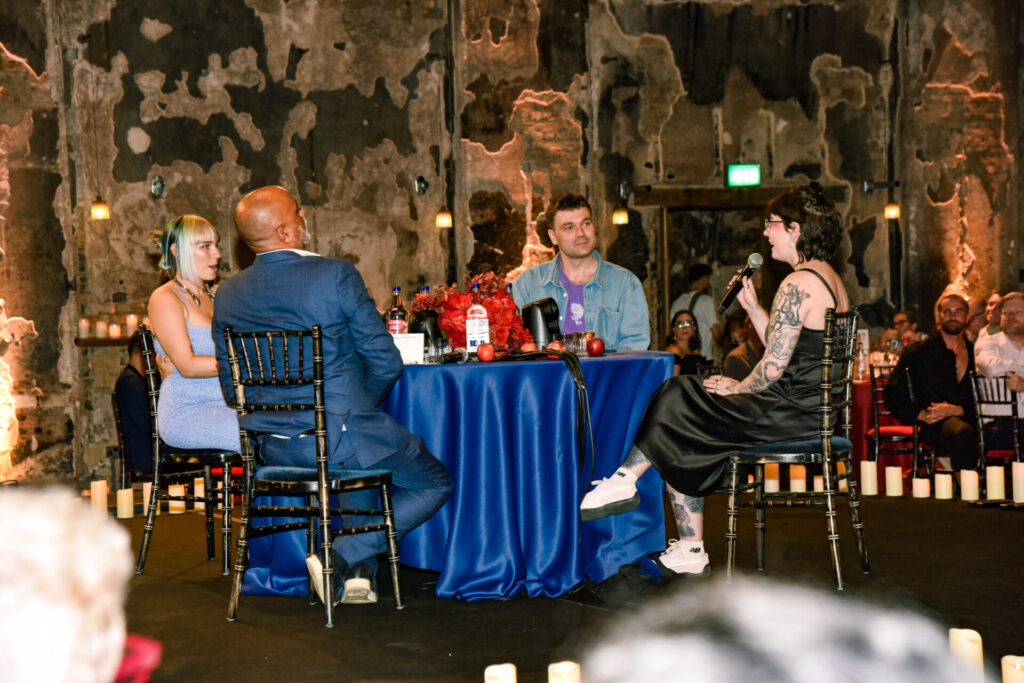
Despite concerns like these, the mood was resolute. Most panels ended with a call to action to “change the status quo tomorrow”, urging the audience of industry leaders across British healthcare to commit to the values the panellists expressed.
Multiple speakers throughout the night spoke about the Human Rights Act as the single most important thing to rally around. Both the Conservatives and Reform have pledged to repeal the Human Rights Act and withdraw the UK from the European Convention on Human Rights (ECHR) if they gain power in the next general election.
Baroness Elizabeth Barker MP, who’s a member of the House of Lords, said to The New Feminist: “We are all under a concerted attack.
“Campaigns are cleverly designed to split apart existing coalitions, like pitting LGB people against trans and queer people – we have to stick together and not give up on each other.”
Due to encroaching threats to queer healthcare across the country, the money raised from events like these becomes increasingly important. A year ago, “Not a Phase” was saved by an emergency fundraiser after losing its corporate partners amid a DEI backpedal.
The impact of Queer Health 2026 has only begun, however.
Alex Gilbert, co-founder of Queer Health, said to The New Feminist: “We’re going to be taking all of the information from the panels to generate something called ‘The Queer Health Report’ to further educate people.”
Gilbert went on to state that the Chair of NHS England, and the Chief Nursing Officer of the NHS have agreed to listen to that report:
“We have so many incredible plans for next year; this is just the beginning”
Photo Credit: Karen Stanley (@karenstanleyphoto)