Conservation of the environment and our local wildlife is often siloed into a separate space from the discourse around achieving gender parity. The reality is, both causes are inherently linked. I was recently able to speak with Katie-Jo Luxton at the RSPB to explore how women were integral to the formation of one of the largest conservation bodies in the world and the vital work that they do. In recent years, women have become the leading public facing voices of conservation, but have always been integral to preserving the natural world. Here’s what Katie-Jo had to say:
RSPB was founded in 1889 by an all-women activist group campaigning against the feather trade. What do you think today’s conservation movement can learn from that era of organising and political pressure?
That’s right, back in the late Victorian era, the main threat facing birds wasn’t climate change or habitat loss, it was milliners supplying fashion’s demand for bird feathers to adorn hats and other accessories. This lucrative and widespread practice drove several species, including the Little Egret, Great Crested Grebe, and Bird of Paradise, to the brink of extinction.
Appalled by the situation, Emily Williamson founded the Society for the Protection of Birds (which was granted a royal charter in 1904) to halt this practice. At an early gathering of this newly-formed society, Emily invited her fellow, all-female members to her home in Didsbury, Manchester and asked them to sign a pledge to ‘wear no feathers’. From this small beginning, the campaign rapidly grew across multiple fronts. RSPB representatives across the country wrote to women wearing feathers and spoke to shopkeepers selling feather-adorned items, whilst also lobbying with influential figures in both politics and the royal family. Emily and her co-founders’ tireless campaigning led to the implementation of the Plumage Act in 1921, banning the import of exotic feathers.

Here in the modern day, our campaigning at RSPB is underpinned by scientific research, and on the ground conservation delivery at 200+ RSPB reserves. Campaigning in support of our charitable aims is still a core part of what we do.
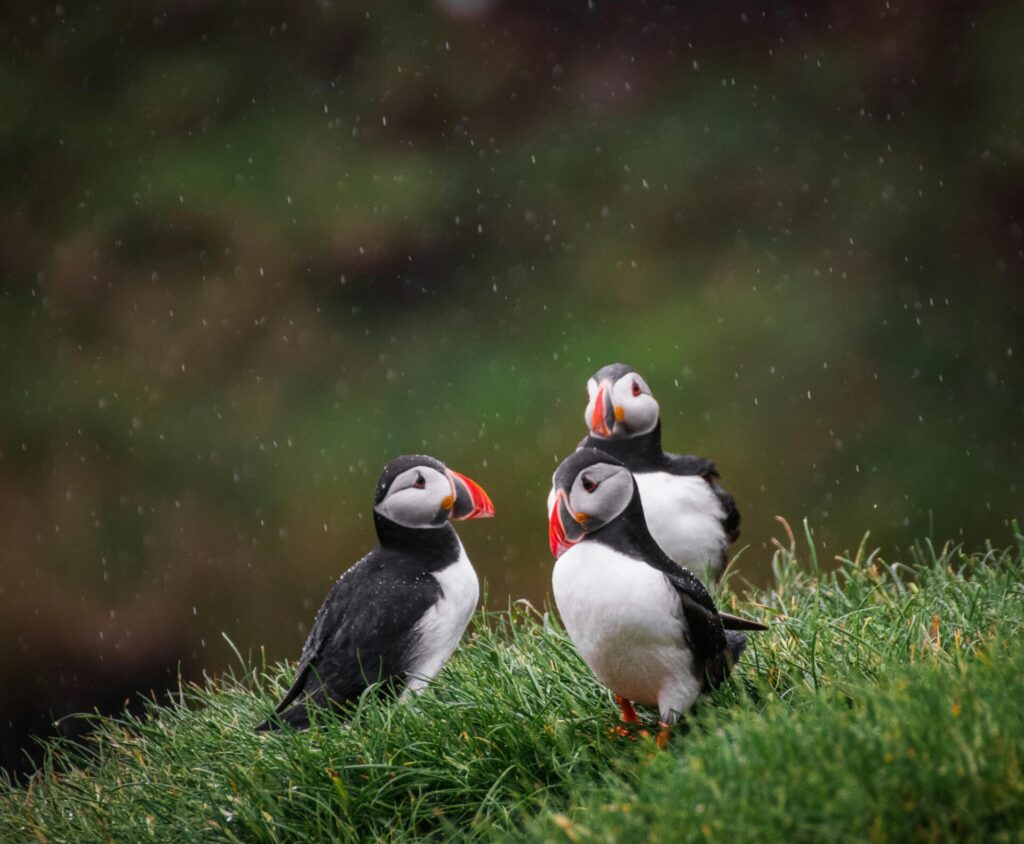
This approach bears out in recent long-term campaigning successes for us, including the closure of sandeel fisheries in English waters of the North Sea and all Scottish waters after 25 years of making the case for change. Industrial sandeel fishing has been a major contributing factor to the dramatic depletion of populations of seabirds, including the Puffin, which rely on sandeels as a key part of their diet. Equally momentous was our successful long-running campaign, alongside several other organisations, which last year led to the UK Government agreeing to ban the use of lead in ammunition. Lead is a toxic metal which both poisons wildlife and pollutes natural habitats as a result of its use in ammunition, with over 100,000 waterbirds estimated to be dying every year from ingesting fragments of lead.
I think the biggest learning we can take from the dedicated efforts of Emily Williamson and her co-founders is that change is possible when we all pull together. At a time when women didn’t even have the vote, Emily and her all-female colleagues persevered and brought about a significant societal change, which had a global impact. This determination is still at the core of all of RSPB’s work in the present day. We’re lucky enough to have more than a million members and many more supporters who share a love of nature, and their willingness to offer a collective voice for change is critical in making the case for restoring the natural world.
The RSPB was founded in response to the depletion of birds for their plumage. What are the key threats facing birds today? What can our readers do about it?
There are a multitude of threats facing our birds – from the loss and degradation of habitats (e.g. as a result of intensive agriculture), the over exploitation of resources (e.g.fishing), pollution, climate change, invasive non-native species and diseases.
It’s really important to understand that the dramatic declines we have seen in many birds and other wildlife in the last 50 years are caused by the pressures we humans are putting on the natural world by consuming natural resources at an unsustainable rate. Although this may feel like an intractable problem, we do know a lot about how to fix the drivers of these pressures. For example, habitat loss is a result of changes in how we use our land. With 70% of UK land currently used for agriculture, enabling farmers to farm their land in a nature-friendly way would have a profound impact. There has been a lot of research into nature-friendly farming practices in recent years, and we know that it does work. With the right government frameworks and financial support, we can not only protect our most threatened farmland bird species and the ecosystems they depend on, but also improve the sustainability and resilience of farmers’ livelihoods. In turn, this will boost food security for us and future generations.
Climate change is another key driver for nature loss around the world. For birds, negative impacts spring from food availability, extreme weather events and changing habitats. We’re already thinking about how we design and manage our 200+ network of nature reserves to adapt to these factors and enable our species, including new arrivals, to thrive.

There’s also a critical knock-on effect to migratory birds, which are reliant on suitable conditions and places to rest across the whole of their lengthy journeys. That is why we work closely with the international network organisation BirdLife International, so that together we can work with conservationists in other countries to protect the most important places on these migratory “flyways” and to take a joined up approach to action for the birds we share such as Turtle Dove, that are with us in the summer but spend the winter in West Africa.
We recognise that to tackle climate change, we really need to decarbonise our energy systems rapidly, but there is also a risk that poorly sited infrastructure can create new and additional pressures on birds. Alarmingly, this is the case with the planned Berwick Bank offshore wind farm in Scotland, which is projected to kill thousands of seabirds every year, including Guillemots, Puffins and Kittiwakes. It is a political choice where these developments are sited, and we should not be trading off damage to nature in the name of climate action. The RSPB has been working hard to map all the most important places at sea for foraging seabirds so that future offshore wind can be directed away from these sensitive areas.
But it’s not all just about how climate change impacts nature; the natural world can be our ally in helping us respond. It offers us the means to mitigate and adapt to some of the adverse effects of climate change, which we call “nature-based solutions”. Examples of proven nature-based solutions that the RSPB has been developing include restored peatlands (which are capable of storing vast amounts of carbon, reducing flooding and filtering clean water) and managing healthy coastal wetlands (which can protect local communities from storm surges and coastal erosion).
Finally, it’s important to talk about the threats facing bird species from disease. A highly pathogenic strain of avian influenza (Bird flu), which emerged from intensive poultry-keeping, caused widespread wild bird deaths in the UK in 2001-22 and now seems to have become established, affecting many species. We need to build resilience in our wild bird populations, ensuring there are safe places to breed and plenty of food so they can weather the storms of disease outbreaks.

How can New Feminist’s readers help to turn the tide on these threats?
I’m glad to say that there’s a multitude of ways that people can join us to effect change, dependent on how they’re able to use their time, their choices, their voices or their money. Anything from joining the RSPB as a member, writing to your elected politicians to campaign for change, engaging with us on social media or buying products from our retail offering, to volunteering at a local reserve or one of our recovery projects, taking part in our Big Garden Birdwatch, these are all tangible ways to help us ensure that people, wildlife and wild places can all thrive alongside each other.
Conservation is still perceived by some as a male-dominated space, particularly in science and land management. From what you’ve seen, where are women most present in conservation, and where are they still most missing?
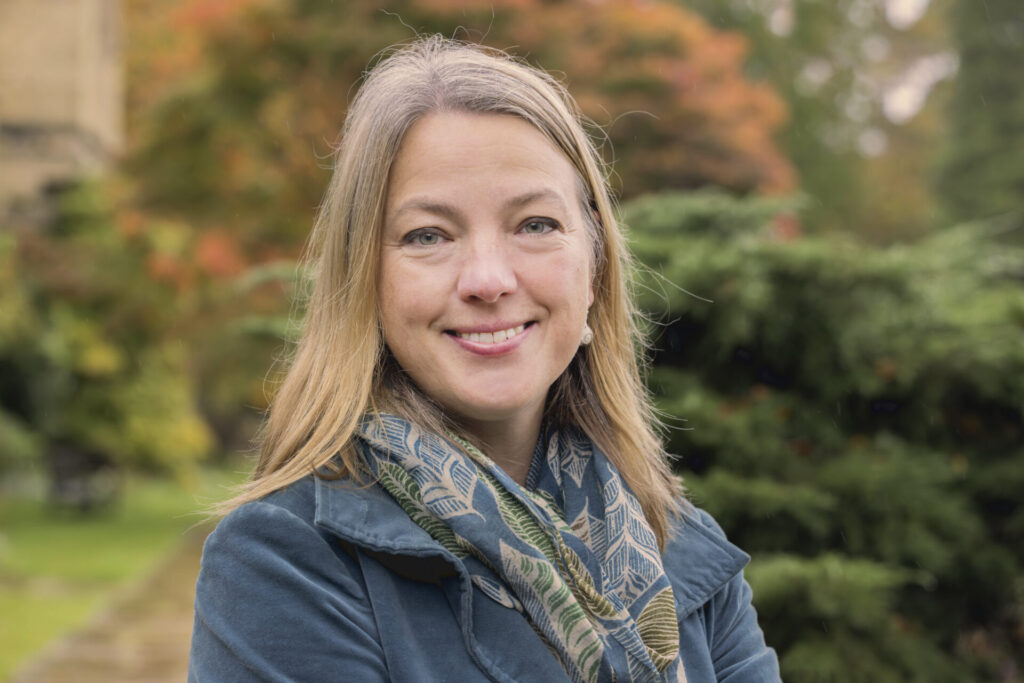
I feel privileged to work for a sector and a conservation organisation which has so many fantastic women in such a wide range of roles. From our chief executive, Beccy Speight, to the next generation of young female conservationists, such as Megan McCubbin and Mya-Rose Craig – represented in our cohort of RSPB ambassadors, women are at the forefront of our work in a wide range of roles.
We also have good gender parity across the RSPB these days, 59% of roles are held by women, with 52.84% of our volunteer workforce also comprised of women. I was really struck at our Conservation Science conference last year, just how many really impressive female scientists we have working in the RSPB in a whole range of fields, such as seabird tracking, tropical forest biodiversity monitoring, understanding avian disease, all the way through to social scientists exploring farmer attitudes to conservation and local community views on alternative livelihoods in tropical forests! It was really inspiring to hear about their work and their experiences.
I think the sector has changed a lot in my lifetime. When I first joined the RSPB, almost 26 years ago, there weren’t many women in senior roles to take inspiration from. But there has been a major change right across the sector in that time. When I became the Director of RSPB Cymru in 2011, after a few years, all the other directors of fellow eNGOs in Wales were women, and I think we built quite a collaborative approach across the sector, which increased our influence and impact.

I grew up surrounded by strong women who were all do-ers, so I had great role models to learn from, and I think that has meant that I have had the confidence to assume my place at the table. I have largely refused to accept, or ignored, constraints that others might have tried to impose! The greatest challenges I have faced have been trying to find ways to balance my family life with a demanding job, which is also my passion. I am fortunate to have a supportive partner who shares caring duties for our daughters, and it has helped that the RSPB has flexible working policies. However, it still feels like a tightrope at times when you are trying to get everything done at work and be there for children and elderly parents.
On farming: 70% of UK land is farmed. What does “nature-friendly farming” actually look like on the ground, and what would make it easier for farmers to adopt at scale?
In the simplest terms, Nature-Friendly farming (NFF) is about working with nature (not against it) to achieve healthy, high-yield produce. It encourages biodiversity and a rich mosaic of habitats, which in turn supports populations of birds, including threatened species, bugs and other wildlife that can benefit both pollination and pest control. It also helps make our landscapes and communities more resilient to a changing climate by using agro-ecological practices, often mitigating the effects of flooding and drought, for example.
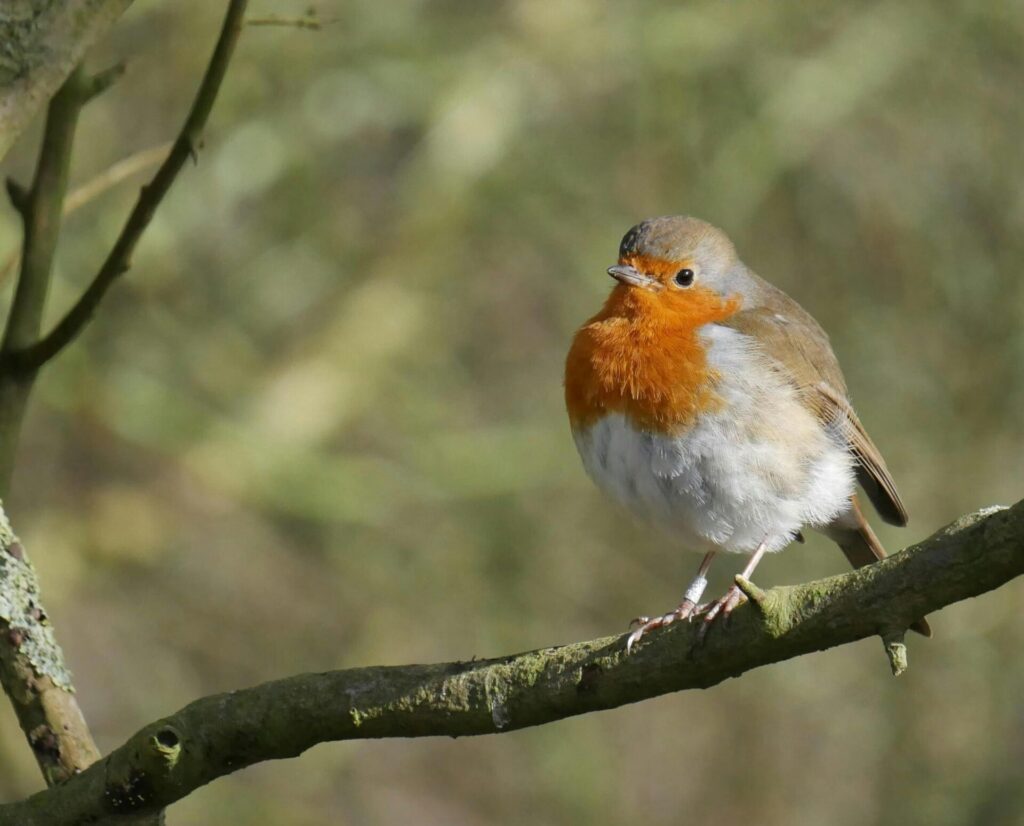
In order to achieve this, the goal is to also provide wildlife with sufficient year-round resources to eat and to breed alongside agricultural products. We know that to stop declines in farmland birds, we need 10% of the farmed area on most farms to be managed to provide these resources for nature. Good NFF practices include things like: planting and expanding hedgerows, allowing wildflowers to grow at the edge of crop fields and planting crop mixes for birds to feed on over winter. Also beneficial are practices like reducing pesticide use and growing crops in a way that promotes soil quality and biology, which in turn encourages healthy crop growth. These practices give back to the farmer, too, often improving yields and long-term resilience for the business.
In order to demonstrate that nature and farming can thrive alongside each other, in 2000, the RSPB purchased Hope Farm, an arable farm in Cambridgeshire. A base from which to carry out NFF research and encourage farmers to adopt these practices. Hope Farm is run as a productive, profit-making operation, but one which has species and habitat conservation firmly at its heart. Crops (which are grown in rotation here, to encourage soil quality and boost resilience to pests and disease) sit alongside a rich mosaic of nature-friendly habitats, including wildflowers, seed rich habitats, hedgerows and scrubby habitats, ponds and woodlands.

Three factors are key to the success of scaling up the adoption of NFF across the country. The first is funding – it’s crucial that the UK & devolved Country governments back this approach to farming and direct the existing financial subsidies towards those farmers who are committed to this approach through well-designed agri-environment schemes. The second is support; we need to view the food supply chain holistically, all the way from farm to fork, and supermarkets also have a huge role to play in enabling farmers to make a living by using nature-friendly practices. Finally, it’s guidance, we need to make sure farmers have access to good advice to steer them through a transition to NFF practices, and a clear understanding of its potential to make their businesses more resilient and sustainable in the long run.
The protection of our natural environment is key for everyone. Are there any figures you admire in the conservation space that are leading the way forward?
Biodiversity Professor Natalie Seddon at Oxford University is a big hero of mine, she is just great at communicating why nature matters – from the personal well-being benefits of being out in nature through to its role in underpinning all our lives through providing us with clean air, water, food and other resources. Growing up, I was captivated by the stories of the conservationists Jane Goodall and Dian Fossey, who both dedicated their lives to protecting great apes in Africa.
There are many brilliant female environmentalists in the Global South – I found the story and messages of grassroots empowerment from Wangari Maathai inspirational (a Kenyan woman who was awarded the Nobel Peace Prize in 2004 for her work on community tree planting and founder of the Green Belt Movement). I would also salute Berta Caceres, who also showed incredible bravery in defending indigenous land and rights against illegal logging and a dam proposal in her country of Honduras. Her assassination in 2016 was shocking but reveals the lengths some with vested interests in the destruction of our environment will go to, to try to protect their interests.
Birds don’t recognise borders; this must be a challenge for preserving their numbers. In the current climate, is it becoming harder to coordinate with other countries for the means of wildlife conservation?
At RSPB, we’re proud to be a member of BirdLife International, which is a global partnership of 124 conservation organisations that collaborate to join up conservation work to protect birds and habitats at scale. The conjoined climate and nature crisis can only be halted and reversed by concerted action at the global to local scale. Through this network, we share expertise, use the insights of local partners and empower communities to have an impact beyond the sum of our individual contributions. Partnerships are therefore at the forefront of everything we do as an organisation.

A great deal of the international work we undertake in collaboration with our BirdLife partners happens along the East Atlantic Flyway, a key global migratory route for millions of birds who travel along its length, between the Arctic and South Africa (think of it like a motorway of the skies, with key service stations on the river estuaries!). The breeding and feeding sites that birds use along this route are like interconnected strings on a pearl – if one is damaged, then the survival of the whole network is also threatened. That’s why we collaborate with BirdLife on projects like restoring the Icelandic wetlands, which are the primary summer breeding site for the Golden Plovers, Redshanks and Whimbrels, which head to our shores in winter.
Beyond the East Atlantic Flyway, another major focus of our work with BirdLife is the Greater Gola Landscape. Spanning the border between Sierra Leone and Liberia, this astonishing landscape is home to more than 320 species of birds as well as endangered mammals including pangolins, Chimpanzees, Forest Elephants and Pygmy Hippos. We work closely with local communities to identify the most sustainable means for both nature and humans to thrive alongside each other, with outcomes including a reduction in logging, mining and farming impacts on the forest, the production of rainforest-friendly chocolate, and supporting local community initiatives such as education, microfinance and healthcare.
Another BirdLife project we feel very passionately about is the protection of the Hutan Harapan rainforest in Sumatra, Indonesia (and its threatened biodiversity, including the Helmeted Hornbill and the Sumatran Tiger) from numerous pressures, including illegal logging, encroachment by farming and mining and the exotic animal trade.
What is your favourite species of bird? Which do you think is most emblematic of what makes you want to preserve them?
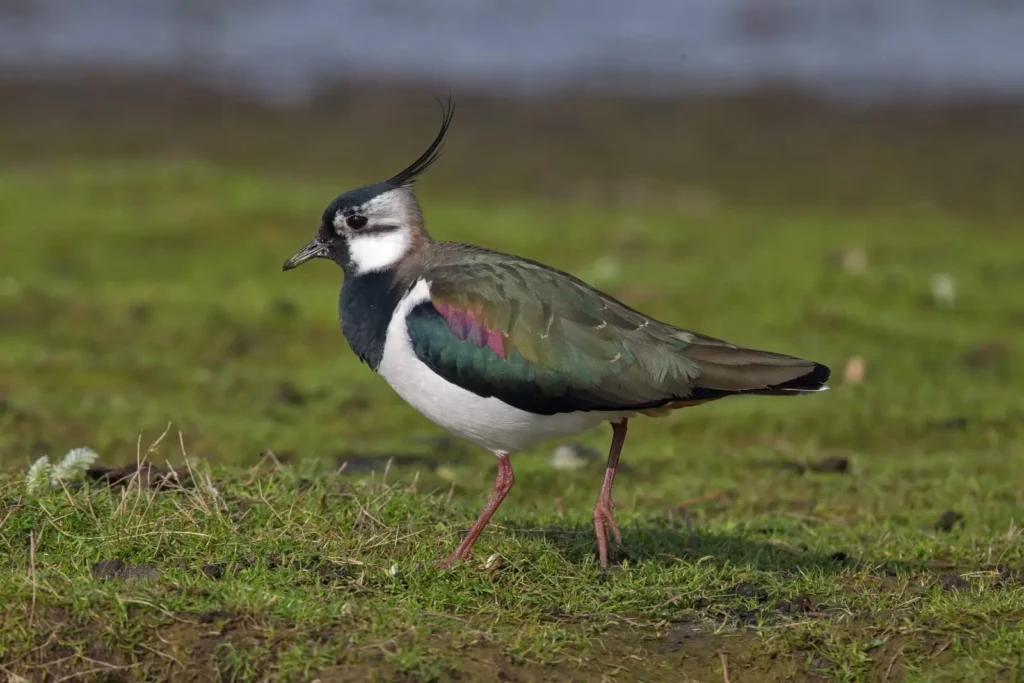
This is a tough question; I love so many! My first love was for the elegant Lapwing; they are a stunningly beautiful bird. At first glance, they look black and white, but close up, they have green and purple iridescent wing patches and a crest on their heads. 40 years ago, when I was a child, these birds were a common sight in flocks on farmland around the UK, but their numbers have plummeted due to the changes in agriculture I mentioned above. They are very brave birds, and you see them mobbing crows that are a threat to their chicks, and they have been known to feign a broken wing to draw a predator away from their nest, which shows a sentience that I find fascinating and compelling.

Are there any fun anecdotes or facts about birds that you want to share?
Did you know that the gorgeous, fluffy chick of a Spoon-billed sandpiper is known as a teaspoon?
The amazing, powerful seabird, the Gannet, actually has airbags which inflate in its face and chest to cushion the impact asit hitst the water at speeds of up to 100km/h, which allows them to dive down around 11m into the sea for their prey.
Another seabird, the much smaller Manx Shearwater (which weighs less than half a bag of sugar) breeds around the coasts of the UK, but then travel over 10,00km to their wintering grounds in Chile, South America. It’s a phenomenal journey, and the young birds do this for the first time on their own, yet somehow know where to go; it’s still quite a mystery how they do!
What is one thing that every person can do to support conservation efforts?
I think the most important thing is for everyone who loves nature to share their passion for nature with other people, particularly children and young people. It’s so important to feel connected to nature, and we know it’s good for our own health and well-being too. The one other group of people I would encourage folk to talk to about nature is your elected politicians. Our politicians should be leading the charge on nature recovery and action on climate change, but progress is too slow. We need them to act, so we must let them know this matters to us, their voters and that we will hold them accountable!
You can learn more about how to get involved with supporting the important work the RSPB does here.