

A new BBC documentary has examined how young girls across the UK have been groomed, trafficked, and sexually exploited by drug gangs, with survivors claiming authorities repeatedly failed to protect them.
Britain’s Forgotten Girls, which airs on BBC Two and is available on BBC iPlayer, examines the experiences of girls targeted by criminal gangs and investigates why the issue has persisted for more than two decades.
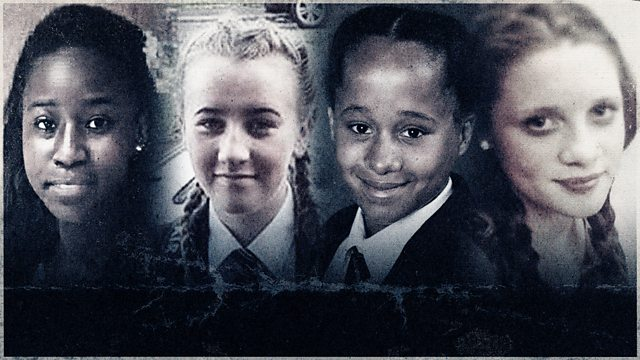
The programme features five survivors, four of whom have revealed their identities, as they speak publicly about their experiences for the first time.
One survivor, Christine, said she was just 13 when she was targeted by an older man after moving from London to Coventry. Feeling isolated after moving, she was contacted through a group chat meeting a man ten years older than her.
Christine told the BBC that she was later pressured into having sex with members of the gang and endured years of physical and sexual abuse.

She also claimed opportunities to intervene were missed by both social services and police.
“I had social work involvement for a long time, and over the years, they came to know that I had an abusive relationship with a boyfriend who was older than me. But nothing was really done,” she said.
Another survivor, Holly, said she was taken into care at the age of 12 before becoming involved with a gang in Manchester. She told the documentary she was sexually assaulted by gang members and forced to transport drugs around the country.
“I was made to sleep with different men. After a while it just became normal to me,” she said.
The documentary also hears from Annie, from Southeast London, who said she was raped by three gang members at the age of 14. She alleges photographs of her abuse were used to blackmail her into further exploitation.
Despite police investigations, Annie said those responsible were never prosecuted.
“The fact that they did nothing really made me feel like it wasn’t abuse,” she told the programme.
Children’s charity Centre for Young Lives said the exploitation of girls by drug gangs is still a widespread issue across the UK.


Connie Muttock, the charity’s Director of Policy and Public Affairs, said: “As long as we’ve had drug gangs in this country, we have had girls being abused and coerced within them.”
She added that the issue differs from grooming gangs because the primary purpose of drug gangs is financial gain through criminal activity, although girls are often subjected to sexual exploitation at the same time.
The documentary also examines warnings made by experts over the past two decades. A 2012 inquiry led by former Deputy Children’s Commissioner for England Sue Berelowitz found that more than 16,500 children showed signs of being at risk of exploitation.
Professor Carlene Firmin, who contributed to the inquiry, said there had been resistance to acknowledging the scale of the problem.
“There was definitely resistance in government,” she said. “You don’t want to hear that thousands of children are at risk of being sexually exploited across England.”
Responding to the documentary, Acting Chief Constable Rebecca Riggs, the National Police Chiefs’ Council lead for child protection, apologised to victims who felt unsupported by authorities.
She said: “Hearing the experiences of the women featured in this programme is devastating.”
“We did not always get it right, and where we failed victims, we continue to acknowledge it and learn from it.”
Riggs added that police are still focused on supporting victims, pursuing offenders, and ensuring lessons are learned from past failures.
Frontline workers interviewed in the programme believe tens of thousands of girls may still be at risk of sexual and criminal exploitation by gangs across the UK, raising concerns that many victims continue to go unidentified and unsupported.