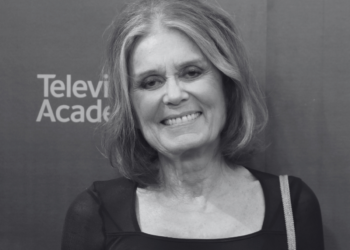
A disabled woman, Sisi Dominique, is raising concerns about barriers to justice and police safeguarding practices.
A disabled woman has spoken out about her experiences with policing and safeguarding, saying requests for communication support and reasonable adjustments were repeatedly overlooked, leaving her feeling unheard within the criminal justice system.
In a video shared on social media, Sisi Dominique describes an alleged encounter with police that she says began when an officer entered her bedroom and removed her quilt.
Sisi claims that an officer entered her bedroom, removed her quilt and later used force against her during the incident. She claims that the event triggered a significant PTSD flashback and that she attempted to contact her caretaker because she needed assistance and diazepam.

Sisi says that because her caretaker was kept outside throughout the event, she was unable to get the assistance she needed right after. She contends that her conduct should be seen in the context of a trauma reaction brought on by what she defines as the officer’s actions rather than just as resisting arrest.
She also challenges the justification she claims was offered for denying her PACE Code C privileges. Sisi says that she was first informed that this was because she had called a cop a “moron,” but that she then received a different reason, with the officer allegedly stating that he thought her carer would hinder him.
According to Sisi, a part of the initial interaction was recorded on video, and the footage corroborates her description of the explanation she says she was given.
She says the incident had long-term effects on her health, including a significant deterioration in her ME/CFS symptoms, and that as a result, she needed specialised rehabilitation.
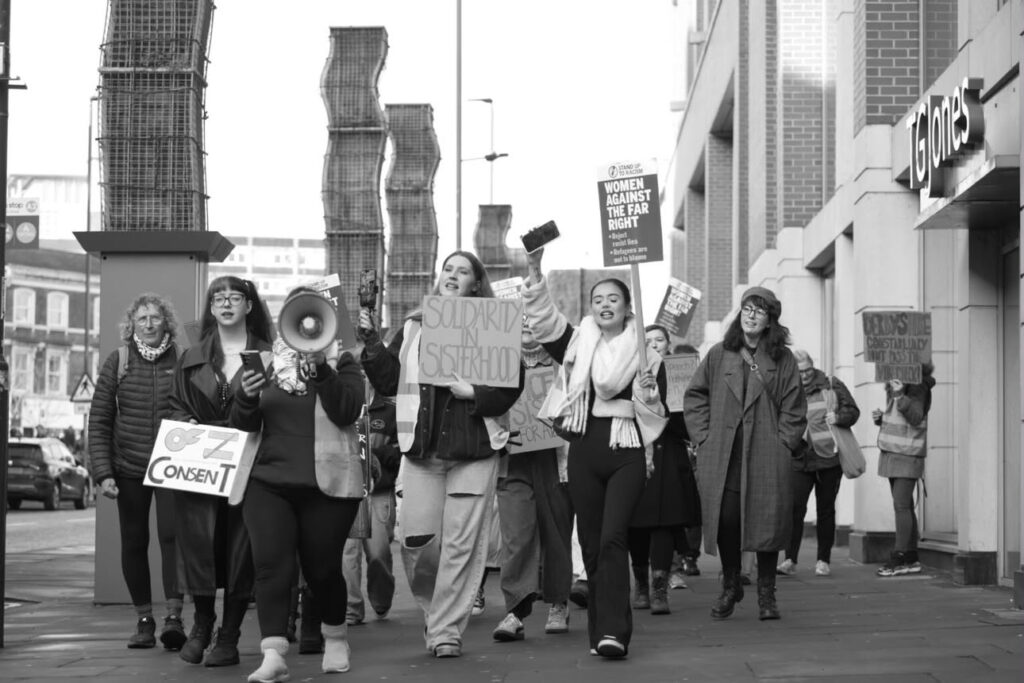
Sisi Dominique, who has ME/CFS and PTSD, claims that her experiences raise broader concerns about how authorities handle individuals with disabilities and whether systems designed to safeguard vulnerable people effectively respect their autonomy.
“Being disabled does not mean that I am incapable of understanding a situation, making decisions for myself, communicating what I need or advocating for myself,” she said
Sisi says that disability-related demands may be misinterpreted as challenging conduct, putting disabled individuals in a “no-win situation” when they need help.

Sisi brought up access to justice as a serious problem. She argues that to communicate effectively while presenting evidence, she needs someone to help her, but this requirement has occasionally kept her from making a complete statement.
“My experience has been that the requirement to arrange an intermediary has been treated as an obstacle to taking my statement rather than as an adjustment that enables me to give one,” she said.
She said that attempts to explain her specific disability-related needs and the adjustments she requires have sometimes been interpreted as demanding or combative, rather than being recognised as information needed to help her communicate and participate effectively.
According to Sisi, this can create an imbalance within investigations if non-disabled individuals can provide statements. At the same time, disabled people face more barriers to having their accounts formally recorded.
College of Policing guidance says investigators “must recongnise the individual needs and concerns and treat them with dignity and respect”. It also states that a witness should be assessed before an interview and that an intermediary can be considered where a communication issue affects their ability to give evidence.
Safeguarding is a central part of policing responses where there are concerns about a person’s safety or vulnerability. College of policing guidance says “safeguarding activity should be reviewed throughout an investigation, with risk assessments updated at key points”.

Sisi also criticised what she described as the use of safeguarding measures without sufficient consideration of how these interventions affected her disability and PTSD symptoms.
“What troubles me most is that I wasn’t refusing the information,” she said. “I was asking for a reasonable way of receiving it that took account of my disability.”
She alleges that officers continued with actions presented as safeguarding despite her explaining that they were worsening her PTSD symptoms and proposing alternative ways of communicating information.
Sisi said the issue is not that she opposes safeguarding but that she believes disabled people should be able to participate meaningfully in decisions about how support is provided.
“My experience has taught me that being officially recognised as vulnerable does not necessarily mean being believed or listened to,” she said.
The key to Sisi’s worries is the difference between vulnerability and incapacity.
She asserted, “Vulnerability is not incapacity.”
According to her, naming someone vulnerable should not imply that they are incapable of sharing their needs, making decisions, or participating in crucial procedures.
Real protection should include trauma-informed care, fair accommodations, open communication, and genuine opportunities for disabled individuals to participate in safety decisions.
According to the College of Policing, when police deal with disabled victims and witnesses, they should make reasonable accommodations. They should also consider the needs of each individual when assisting people with their investigations.

According to Sisi, the primary concern is whether disabled people receive the assistance they need to participate equally in systems designed to protect them, rather than just being acknowledged as vulnerable.
According to her, “protection should leave disabled women safer and better able to exercise their rights, not just safer because someone else acquired control.”
When asked about the accusations made by Sisi, a Derbyshire Constabulary representative responded as follows: “The person responsible for these instances has multiple ongoing complaints that are generally related to some of the issues that cover comparable topics to those mentioned in your inquiries. Because these complaints are being looked into, we are unable to comment further.”
Disability Rights UK was also contacted for a comment, but as of the time of writing, no response has been received.