London Trans+ Pride once again hit record-breaking numbers with 150,000 people attending this year’s protest, up from last year’s 100,000-strong attendance.
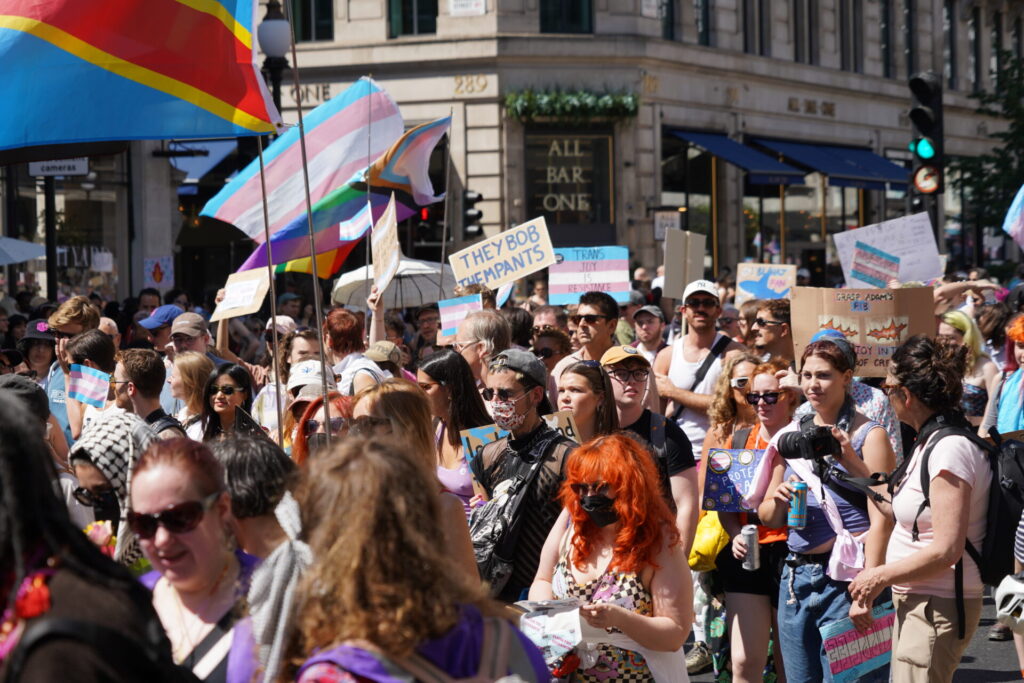
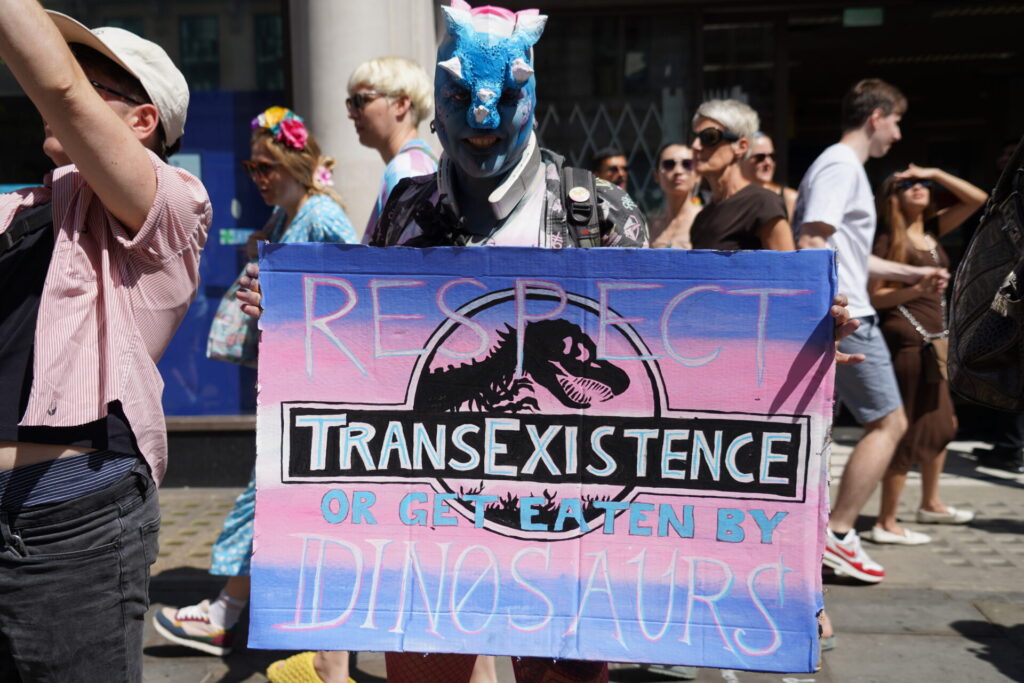
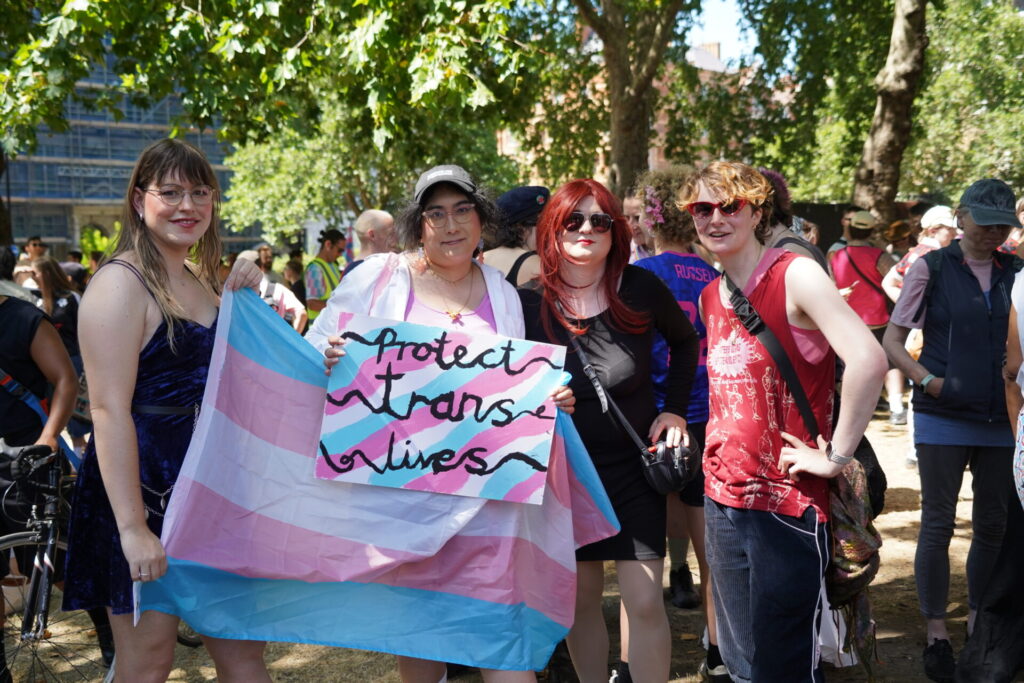
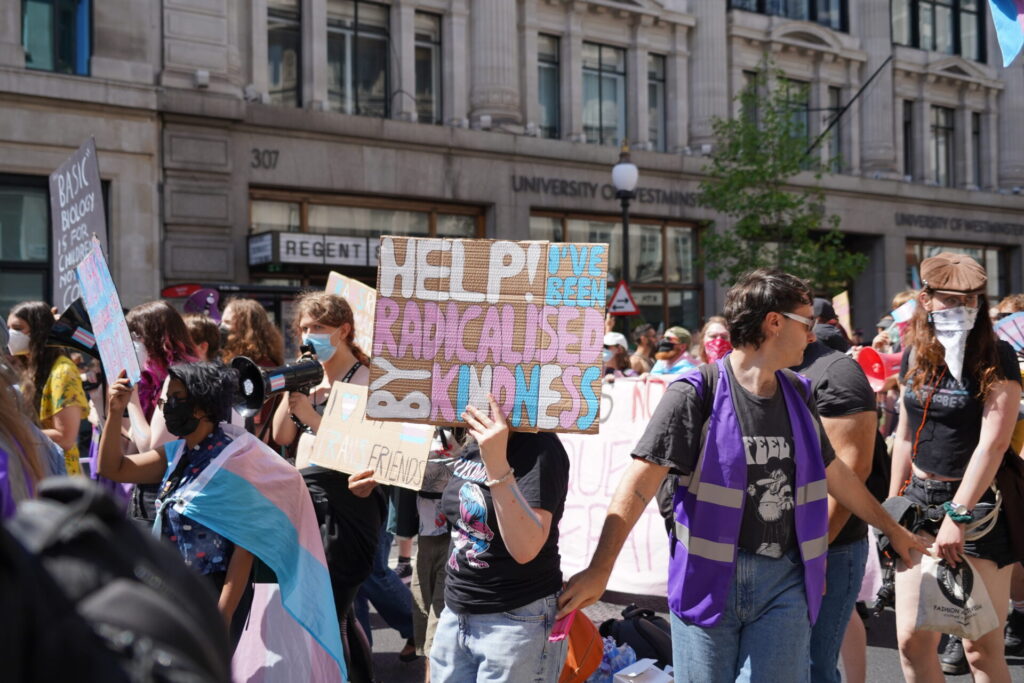
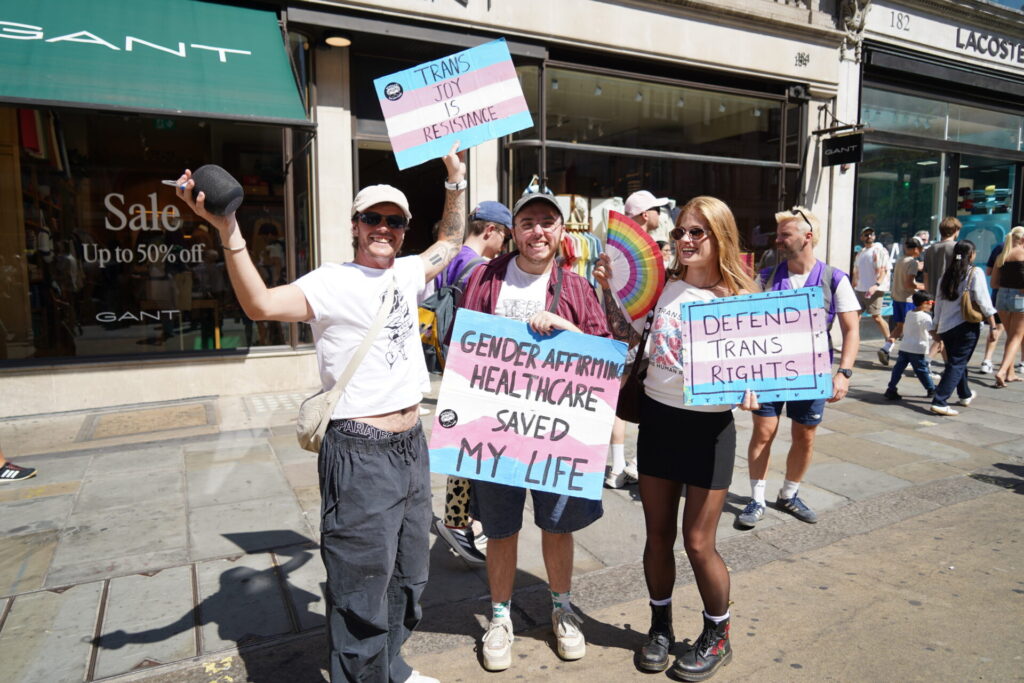
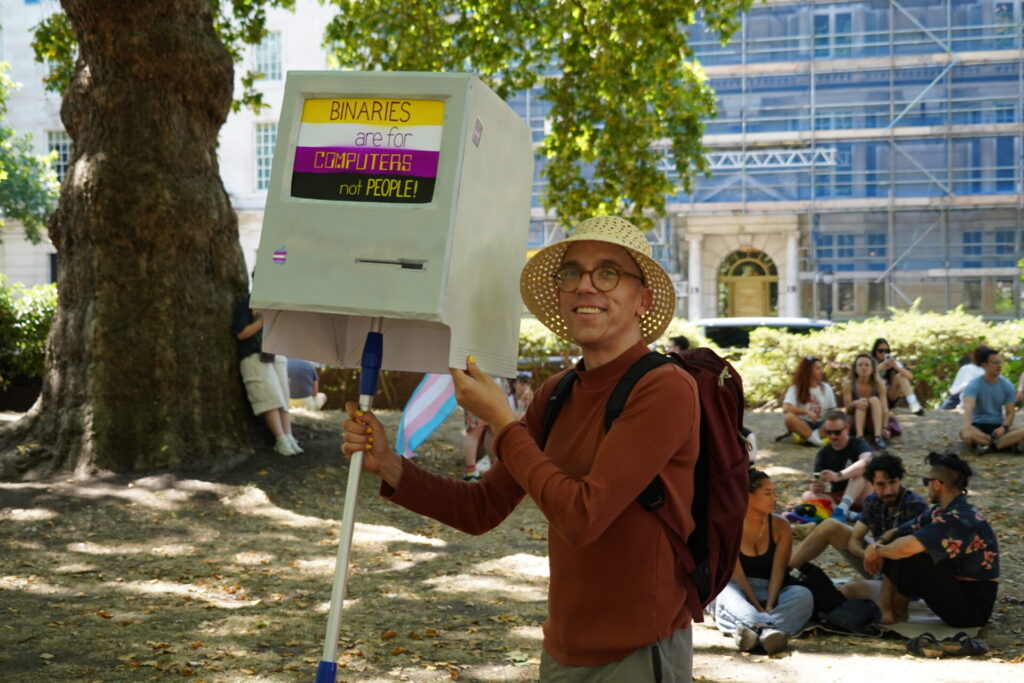
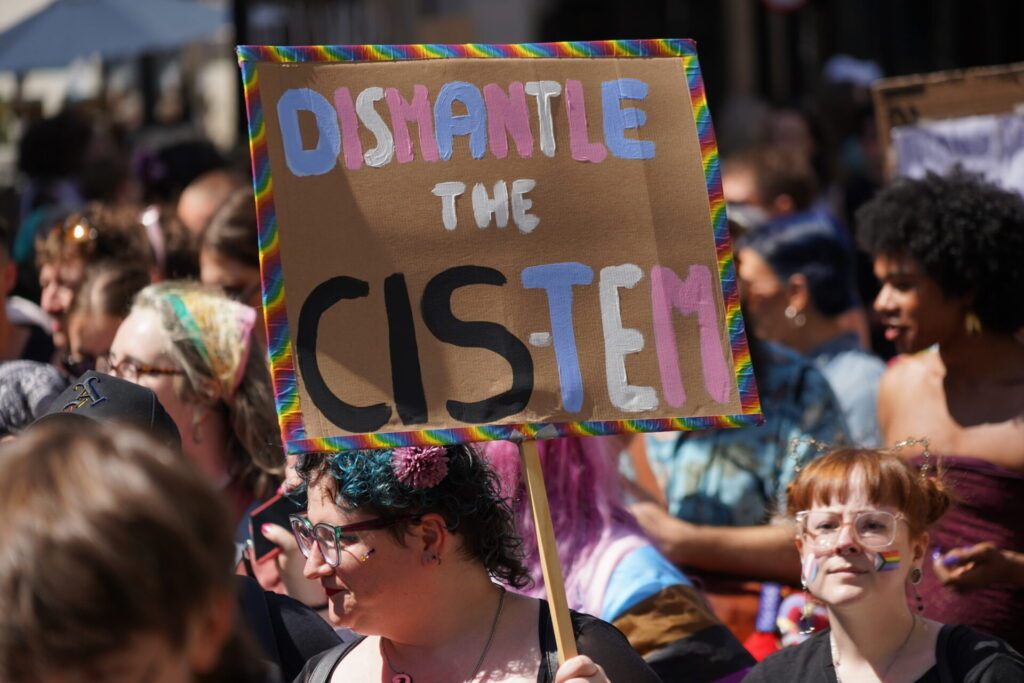
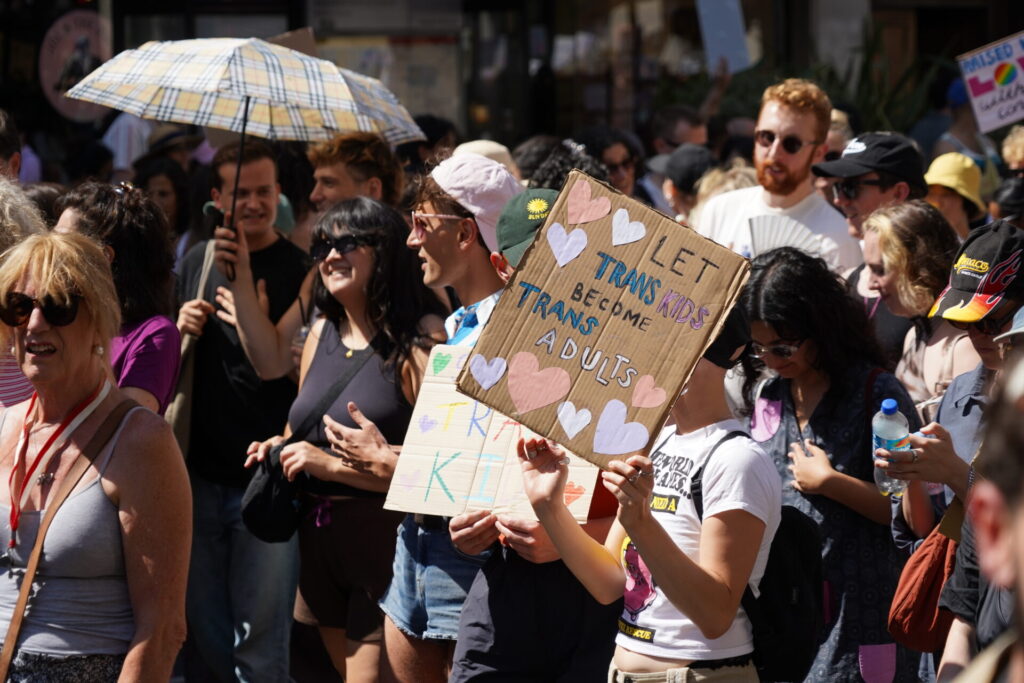
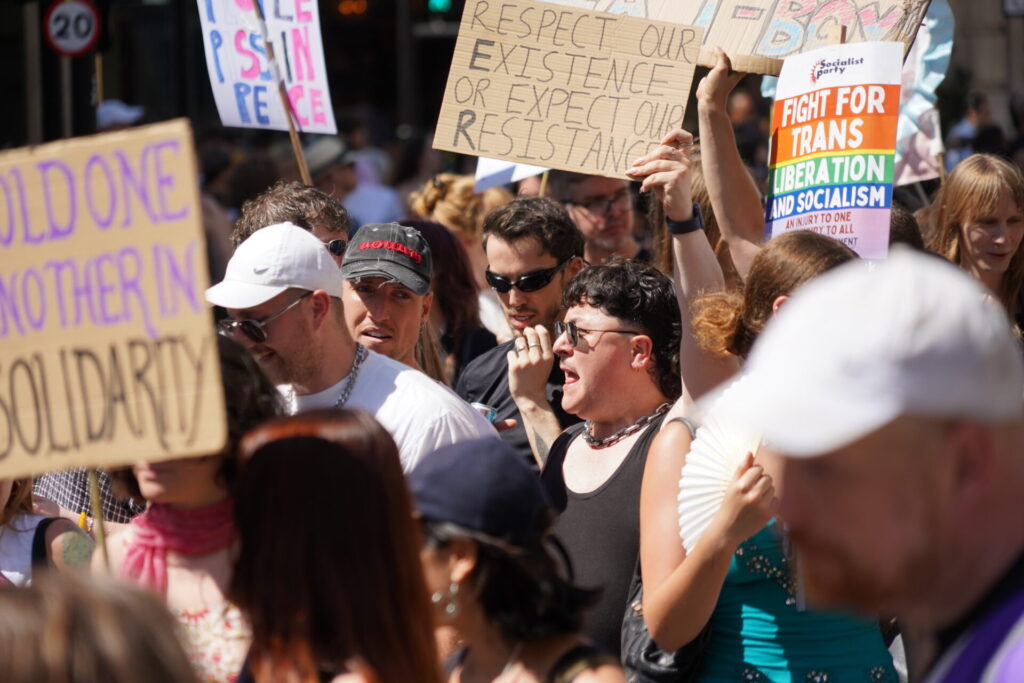
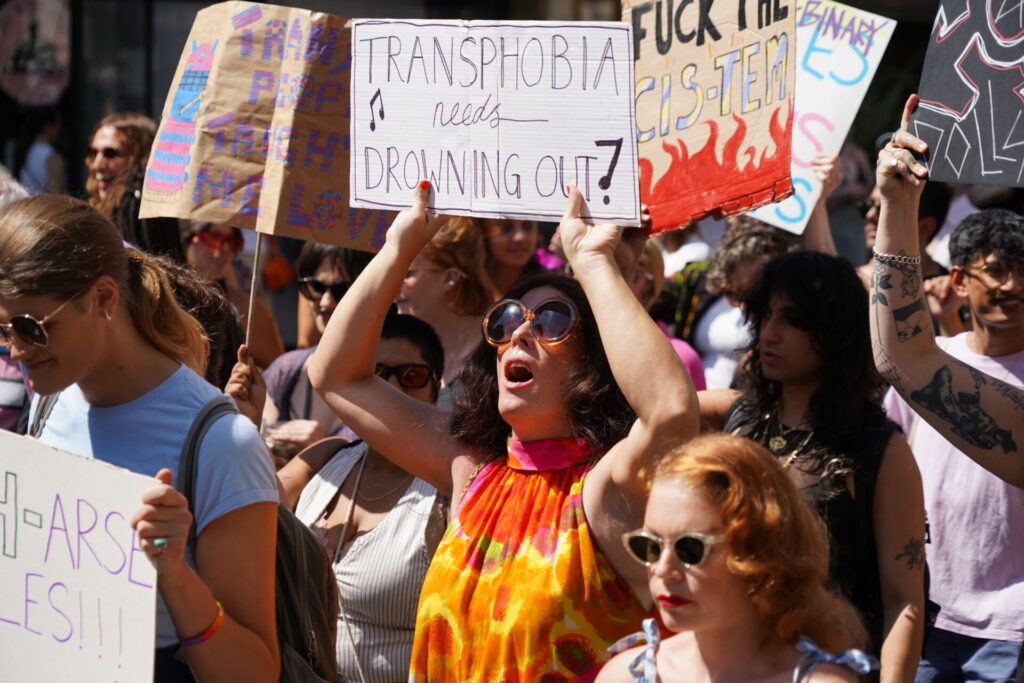
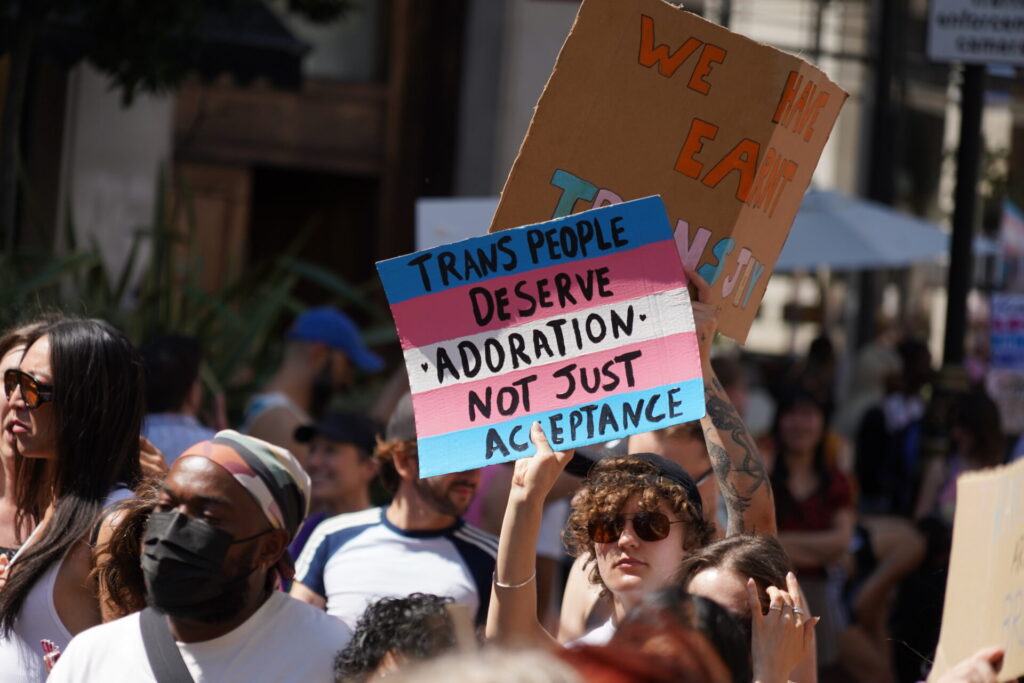
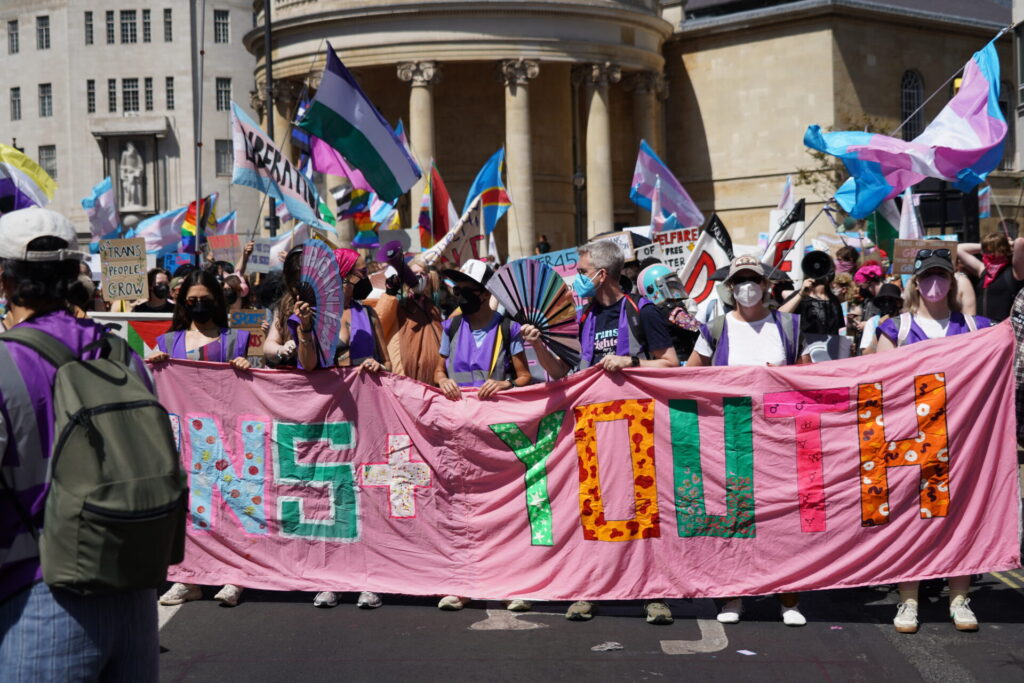

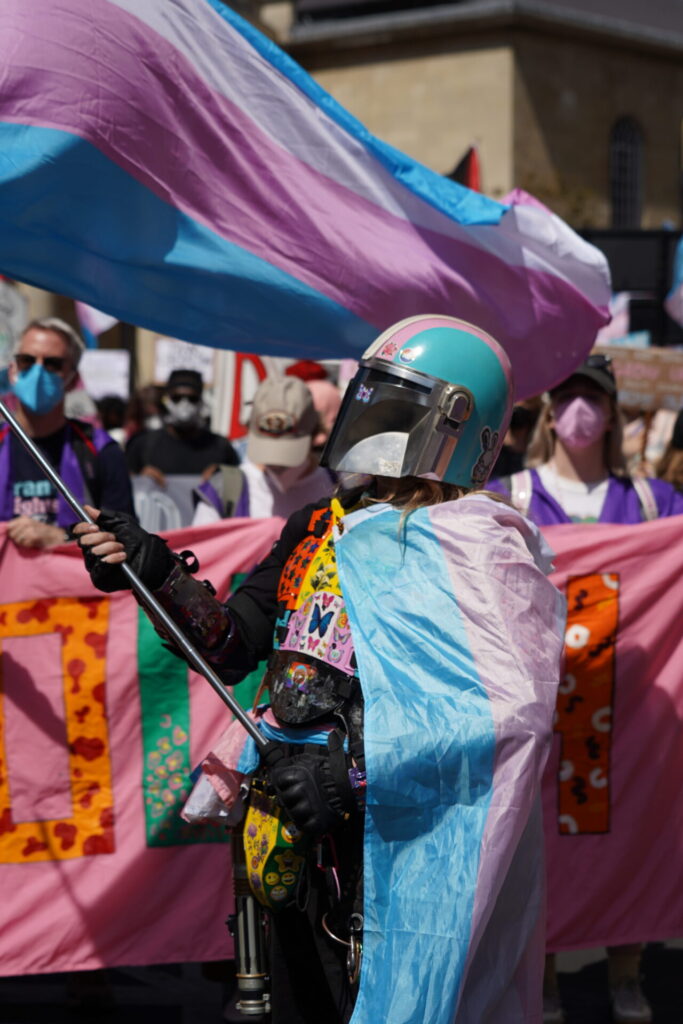
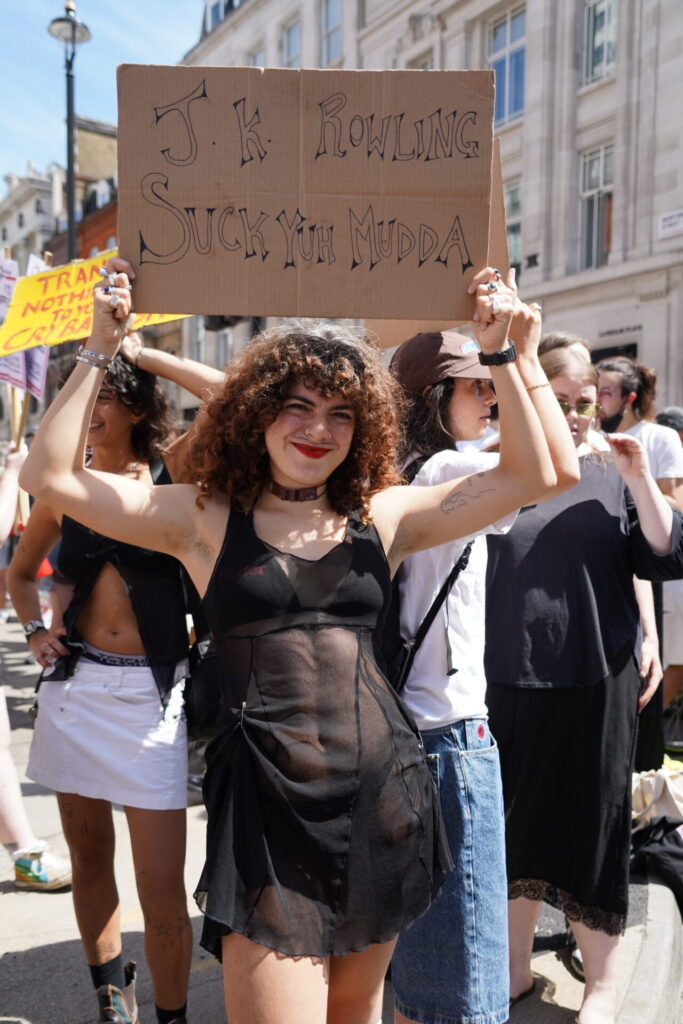
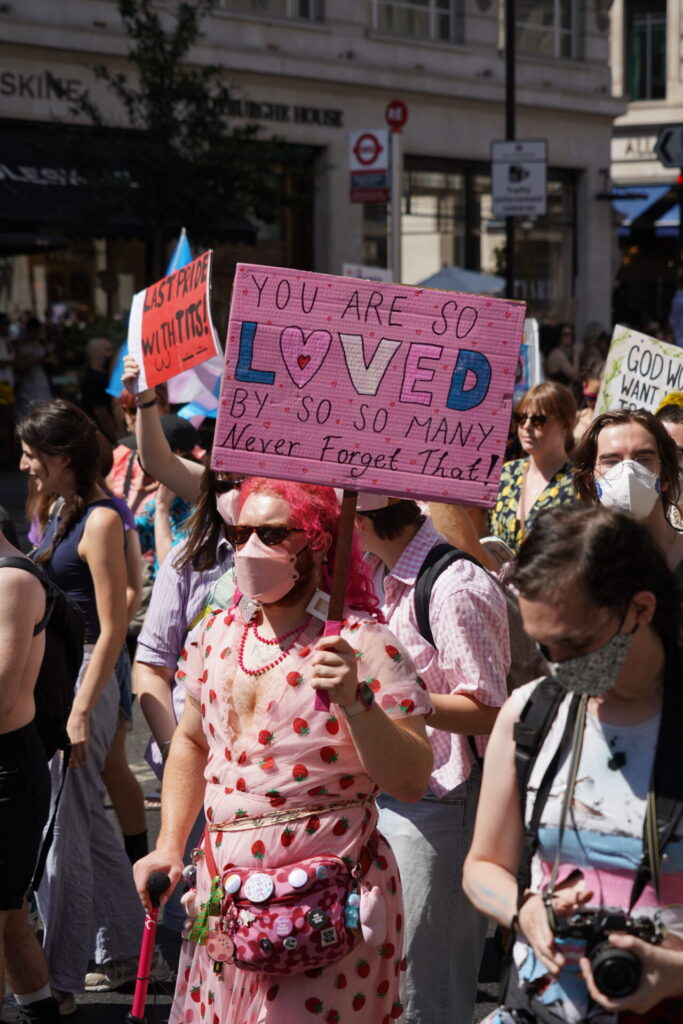
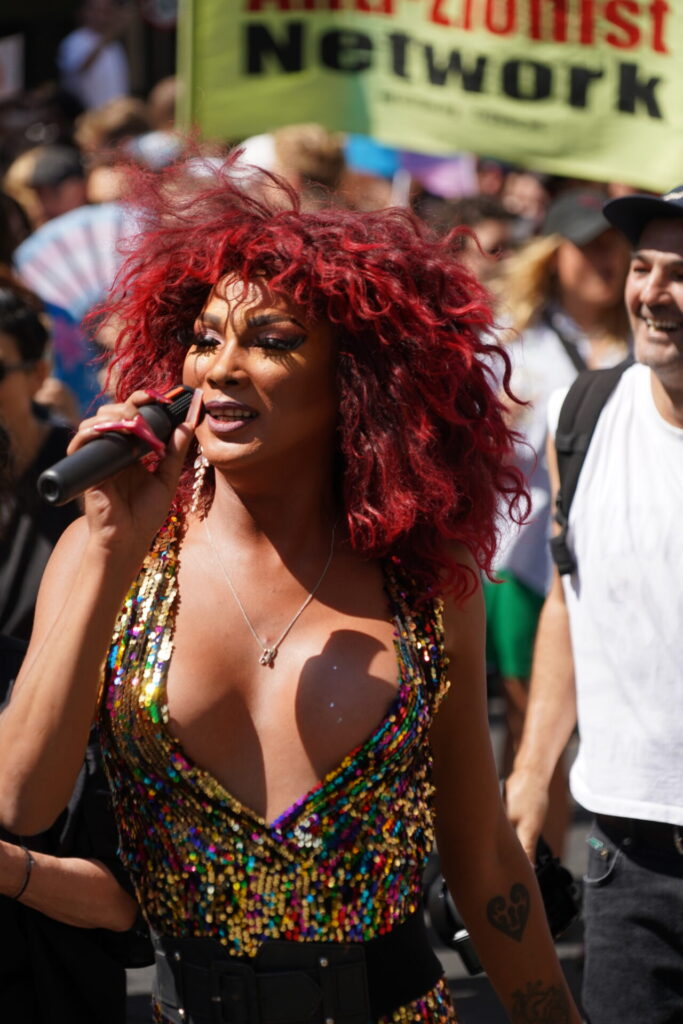
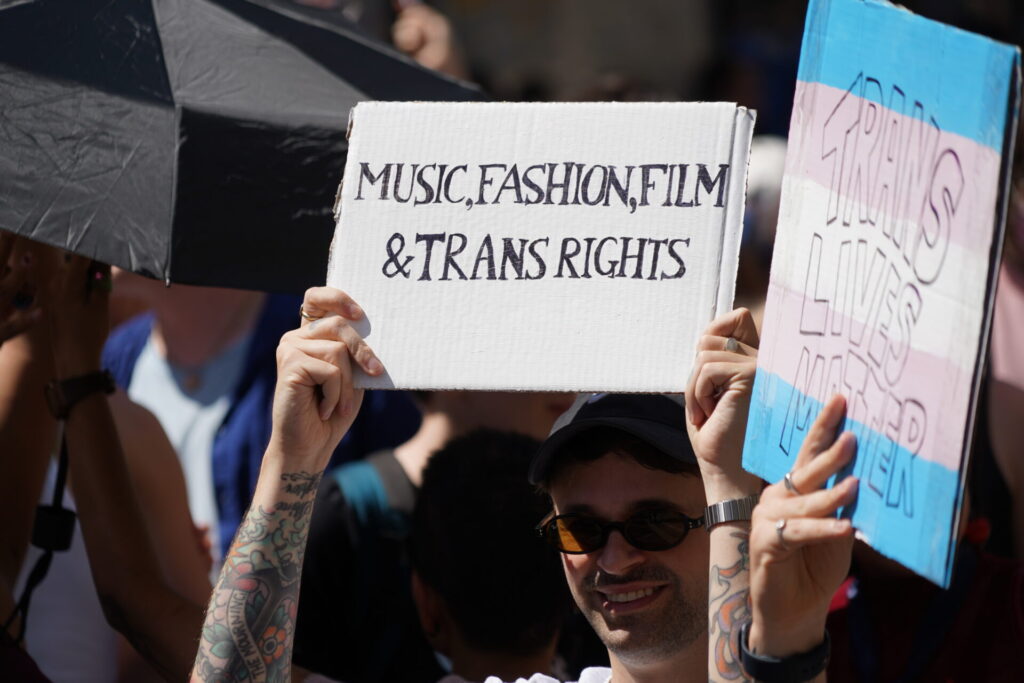
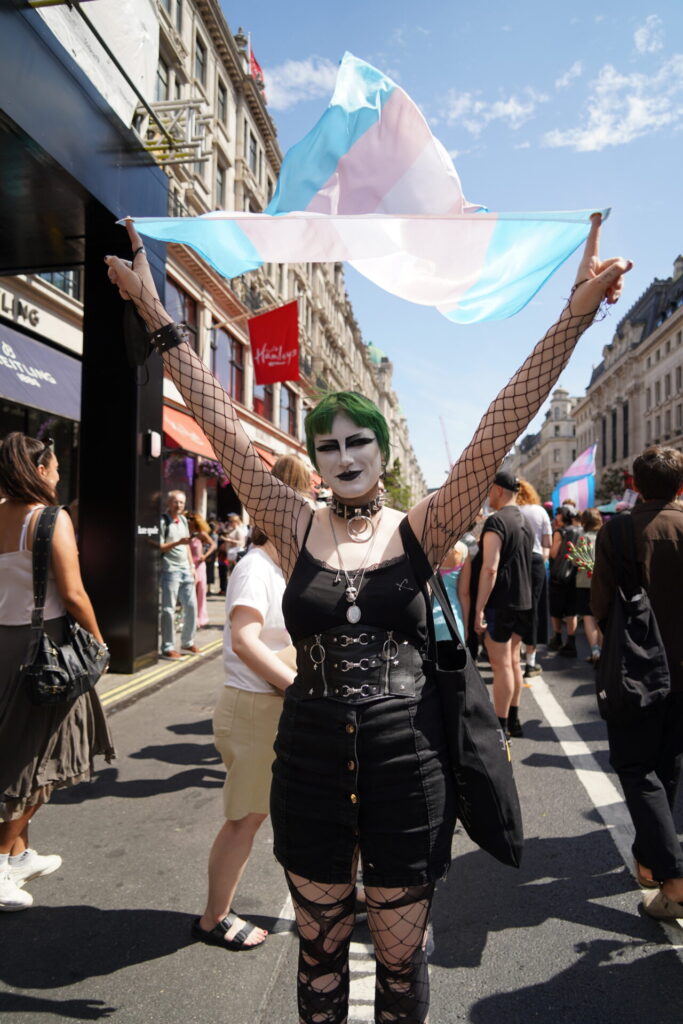
Attendees stressed that unlike June’s general Pride celebration, Trans+ Pride is by design a protest.
With limited commercial sponsorship and a theme of ‘’Our Future, Our Fight”, the protest saw thousands marching in the face of worsening trans rights and healthcare nationwide.
Shakeel Kimotho, Tip Toe actress, said: “I think we know no matter what happens we’re going to be here.
“We’re going to continue to profusely love everyone in the world. Our haters, our fellow trans people, and we’re not going to let this smear campaign take over our lives”.
Ending Trafalgar square for the first time since the protest’s 2019 inception, the march started in front of the BBC’s head offices and snaked down Regent Street, with attendees directing chants at the landmarks around them.
Attendees spoke about the BBC’s recent guidelines regarding describing trans women as “biological males who identify as women”, and criticised the amount of Harry Potter merchandise sold at Hamley’s as the protest passed.
Chants included, “My body my rights – I will piss right where I want”, “HRT over the counter and for free” and “Fuck Elon Musk”.
Participants also highlighted the genocide in Gaza, chanting, “Death, death to the IDF”, notably following the Court of Appeal’s recent ruling that the government’s proscription of Palestine Action as a terror organisation was a lawful decision.
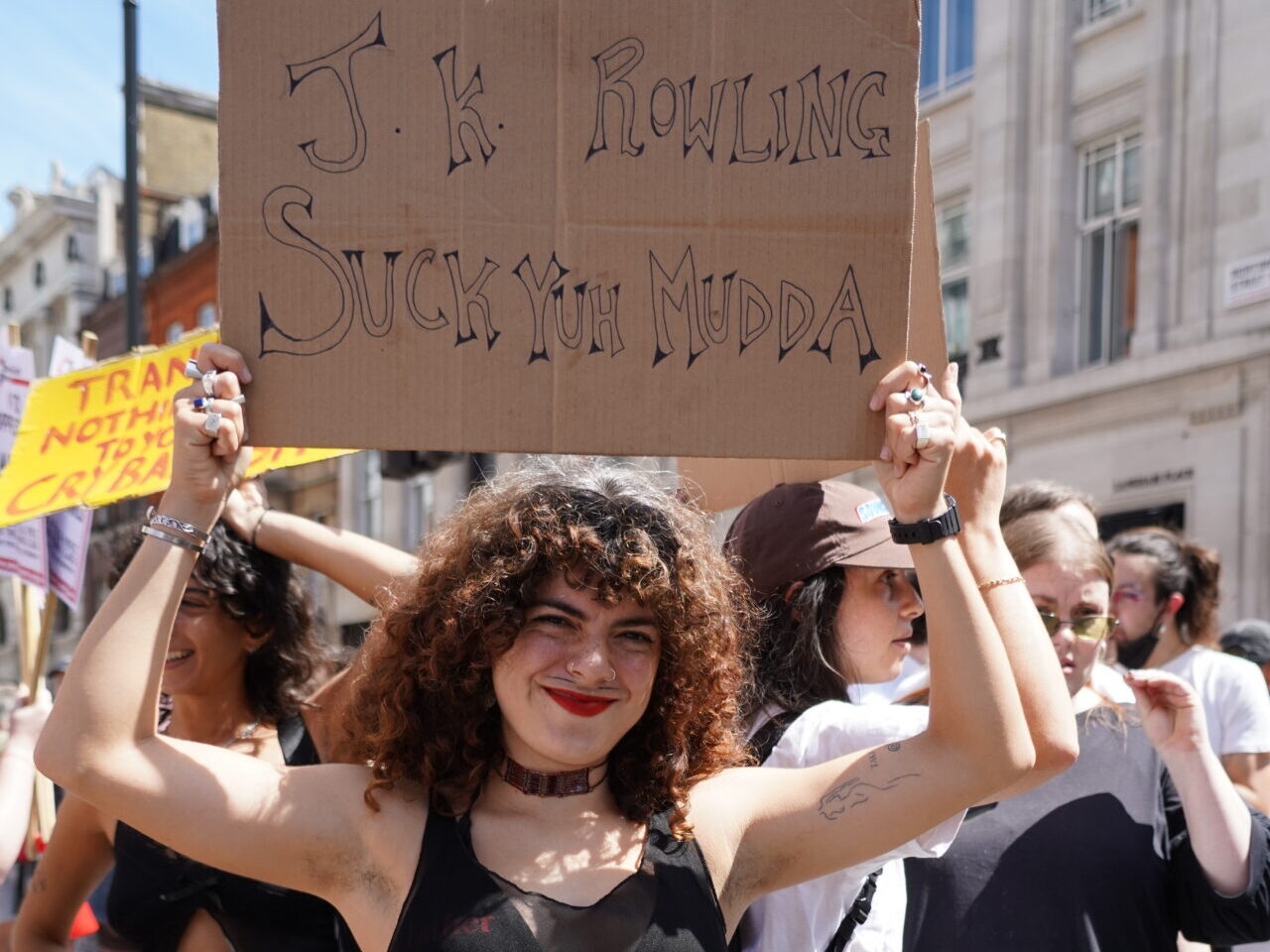
In reference to the former chants regarding HRT access, attendee Ariane Trueblood said: “They’re cutting funding for everything. I’m on a waitlist where I’m due to have my first appointment in 7 years.
“Everyone I know who is trans has had to deal with the shitshow of the healthcare system.”
Once the march reached Trafalgar Square, celebrities and activists from across the UK’s queer scene lambasted Andy Burnham’s new government less than two weeks before the EHRC’s Code of Practice comes into force on August 5th, directing service providers to exclude trans people from single-sex spaces.
Bambi Jordan Phillips, an artist and DJ who recently performed at Brighton Pride, said during her speech at Trafalgar Square: “In futures to come they will say our names.”
“They will echo in the voices of new generations. Of generations of people who lived full and dignified lives. All because we stood together.”
In this respect, it was significant to see trans people from all walks of life come together in a city that has for the most part rejected them.
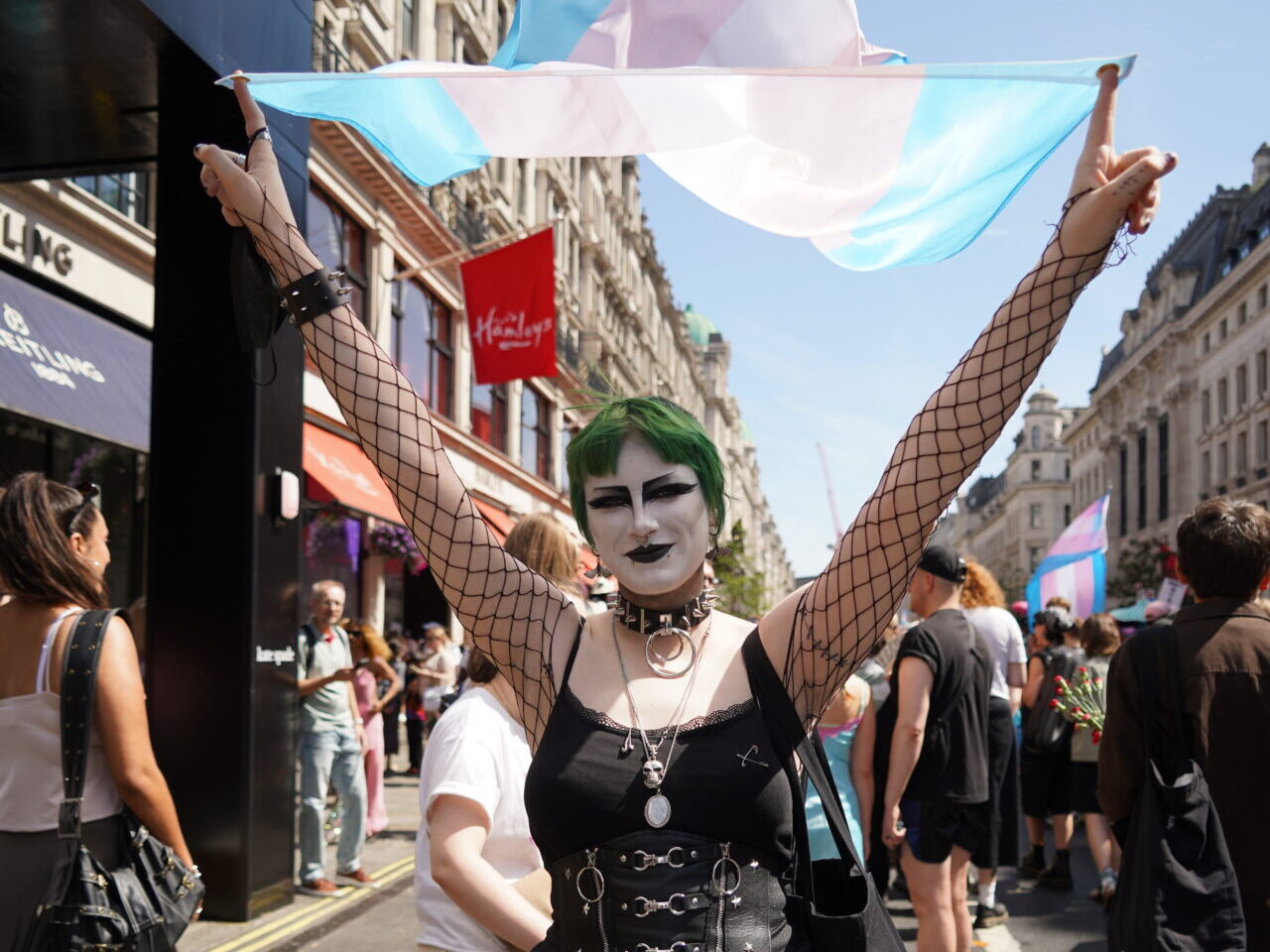
On the edges of the march routes, preachers sang about sin and the consequences of being gay to protesters who cheered nonetheless.
Speaking to The New Feminist, Maxine Heron, model and communications officer for the charity Not A Phase, said: “I transitioned as a teenager, and then I didn’t tell anyone I was trans for about 9 years.
“I don’t believe that trans people owe the world disclosure by any means, but it was unfulfilling.
“Lots of my connections to people were not as genuine as they are now, and I’m out now, and I don’t live with any shame around my transness, which is why I’m here today.”
Heron then attributed a quote to Marty Davies, founder of Trans History Week:
“If we look at history, no story ends with segregation, no story ends with oppression. I think we are witnessing a pendulum that will continue to swing, and we just have to hang in there.”
As one of the final events in Pride’s summer calendar comes to a close, it’s unclear what the UK will be like in a year’s time when celebrations restart.
The impacts of the August 5th guidance will only be understood in retrospect, and the new government’s attitudes towards trans healthcare remain to be seen. However, Saturday’s protest showed that each year, more and more people are turning up to defend transgender people.