If you browse the App Store today, you will likely stumble across a new app called Tea Dating Advice. It is No.1 in lifestyle and seems to be exploding in popularity, but also being marred with questions around consent and the necessity of the Tea app.
The app Tea is anonymous, woman/femme/non-binary friendly, with the purpose of crowdsourcing background checks on potential dates. The concept isn’t revolutionary; it has grown from online groups like Are We Dating The Same Guy?, but it streamlines the process and provides an easy pocket solution to online dating safety. However, as with anything that deals in data sharing, anonymous reports and public callouts, ‘Tea’ raises serious questions about consent, privacy, and the blurred line between protection and potential defamation.
It’ll be about a year since I got a text containing multiple screenshots of a man I had been talking to. My friend had come across my new talking phase in the local Are We Dating The Same Guy Facebook group. He hadn’t been posted because multiple women were dating him; he had been posted because he was using a pseudonym and had just come out of jail after serving a sentence for assault. He had abused his ex, attacked an old lady, used fake names to try to scam people, and allegedly stalked a lot of women locally.
Instantly, I shared it on my Instagram and had multiple girls message me. He had done the same to them. He was swiftly blocked with no explanation, but the next morning, he found my other social media and requested to follow me on all of them. Each follow-up request confirmed that he was unsafe.

He had been reported to Hinge, Tinder and Bumble, according to other users in the Facebook group. I reported him too, but why had nothing been done? He must have been reported multiple times over the years and yet still been able to create new accounts, harass women and create an unsafe environment.
It isn’t the only time I’ve had to report someone on a dating app. A few months before this, I had matched with a guy, whom we will call Rick, who was new to the area, and we spoke for a few days before firming up a time and day for our first date. I was enthusiastic. I sympathised with him when he said he worked hybrid and found it hard to make new friends, and I guess I had some sort of saviour complex. It became very, very clear why Rick had no friends. He sent not one, not two, but over five jokes about how he was going to kill me on our first date.
I brushed the first joke off as just an odd sense of humour, but the rest? It was deeply creepy and…weird. I ended up cancelling the date, ghosting him and blocking his dating profile, but again, he found my Instagram and sent me message requests asking why I had disappeared. He was sure I’d just made a mistake. I screenshotted everything and reported it to Hinge. They said they’d look into it. Months passed, and eventually I redownloaded the app, and there he was. Same name, same images. Nothing had been done. There are multiple Ricks on Hinge and multiple stories of similar Ricks.
The rise of Tea comes directly from these kinds of experiences. I am not the first to have a pocket full of horror stories, and I won’t be the last. These experiences stay with you long after you’ve blocked the guy and filed the report. When official apps like Tinder or Hinge consistently fail to protect their members, it’s no wonder we need to turn to apps like Tea for help.

Tea works by simply searching a man’s name to see if anyone has posted about him. Alerts can also be set up for specific names, so if there is anything in the future, you will be sent a notification. You can also post a question, for example, “Does anyone know John Doe from Dalston? Met him on Hinge”, which other users can respond to, creating a potential thread of experiences or warnings.
If someone has been manipulative, abusive or dating multiple people under false pretences, this can be flagged anonymously. Beyond this, it has been used as a platform for relationship advice, too. In my opinion, one of the best features of Tea is allowing users to browse and search nationwide, meaning it isn’t limited by city or group membership like Facebook. However, it is mostly unregulated. Tea relies on its users to flag anything harmful or false, and there is no concrete vetting system to figure out the truth, so the app exists in a grey area of personal testimony and gossip.
It also begs the question of what about the consent of those being posted about? Especially if the post is baseless. The main Facebook group has already been in a legal battle due to defamation, so how can Tea navigate this? It may empower women to protect each other, but it also raises difficult questions about digital ethics. If your name, image, phone number, personal details, etc, are shared without knowledge, or the ability to respond, is that a breach of privacy or a form of community protection? We are in an era where we are desensitised to sharing data, even when it is someone else’s, but where do we draw the line? And who gets to say what is shared and what isn’t? And more importantly, who in the app is controlling which posts get monitored and which don’t?

Unfortunately, we do need higher levels of safety when it comes to online dating, but I am unsure if an app that has minimal regulation is the way forward. If I were still using dating apps, I know I wouldn’t be downloading an extra app on top of that just in case the people I match with show up on there. I understand that is just personal preference, but the permanent state of anxiety to cross-check each match would probably send me into psychosis. I already have over 100 apps on my phone. I shouldn’t need another to ensure my safety.
Hinge, Tinder, Bumble, HER and Grindr, to name a few, should not rely on a third-party app to provide safety. They need to do this themselves with the data provided from reports and from public information. In the UK, more than 6000 people reported offences linked to dating apps between 2017 and 2021, and one in five were sexual offences. 83% of these victims were female. The reality is, Tea is likely not going to help this number go down by much, worldwide.
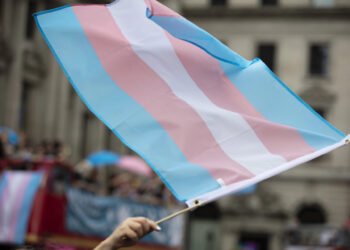
LGBTQ+ people, particularly trans and non-binary users, face disproportionately high rates of harassment and violence on dating apps, yet they’re often ignored in conversations about online safety. The experiences I shared are not just present on heteronromative apps; these experiences happen across the spectrum, as Adam shares below:
“Grindr is an app that, for better or worse, has become the go-to for many queer, trans people and non binary people (like me). The app works on the basis of showing you a grid of profiles that reflect the users nearest to you, and unlike most dating apps, it is a free-for-all.
This means random faceless accounts are free to send you the most unhinged shit you’ve ever seen without any pre-screening. There’s no swiping left or right. One time, whilst at University, a blank account told me they liked what I was wearing that day, along with a dick pic and a detailed description of what they wanted to do to me. I was very creeped out. This kind of occurrence is extremely common, and given that it is a male-dominated space, is alarmingly normalised.
Grindr is also a hotbed for discrimination against people of gender and ethnic minorities. In my (past tense) time on the app, I was told on numerous occasions I was embarrassing the LGBTQ+ community because of how I present myself, and I also received more unsolicited dick pics, rape threats and violent sexual messages than I could count.
All in all, it is a very sad truth that Grindr is still a place many LGBTQ+ people visit to explore their sexuality or seek connection when it is a blackhole of internalised misogyny, homophobia and rape culture.”

So who gets to participate in this “women-only” safety space? And why only women? Shouldn’t an app like this be beneficial for everyone? Tea describes itself as being for “women, femmes, and non-binary people,” but you need to upload ID and a selfie to be approved. In America, 476,000 transgender adults do not have the correct gender marker on their IDs or have no ID at all. In fact, some states require transgender people to have had gender-affirming surgery before updating their gender marker and more recently, the Trump administration issued an executive order demanding that the federal government only recognise two sexes.
So how can our apps be all-inclusive when there are no inclusive identity procedures in place? Just last year, Australian transgender woman Roxanne Tickle won a landmark legal case after she was removed from the women-only app Giggle, a ruling that confirmed it was discriminatory to exclude her based on gender identity. Apps like Tea, while well-intentioned, must remain vigilant not to replicate exclusionary practices in the name of safety.
Prior to what I have said, the app does have good reviews, with women saying it has been a lifeline. It has helped them avoid abusers, glaring red flags and weed out the bad guys on their apps. And that is great, there is no denying that this can be a wonderful platform that has helped in the short time it has existed.

However, there are also multiple negative reviews. Reviews about users not believing each other because they had a positive experience with the guy, and reviews from men whose ex-girlfriends have put their images on there with false accusations or information about minor arguments. A lawyer in Detroit stated that the app has caused problems in marriages where information has been posted about interactions that happened years prior to his clients’ current relationships, and he has warned that anything posted on these apps could 100% be used in legal proceedings, regardless of whether it is ‘anonymous’ or not.
I am also grappling with the question of whether it is empowering to take justice into our own hands, or whether we are building surveillance systems disguised as “community care”? Feminism has always pushed back against systems that surveil, criminalise, and control, but Tea walks a fine line. It allows for collective protection, but also exists in a grey area that risks overreach, false accusations, or digital vigilantism. We risk replicating the same systems of harm we’ve tried to escape. Are we shaming, excluding, and punishing without due process? But within the context of what we are currently living through, what alternative do we actually have? The state, the police and the apps continue to ignore us, and femicide is on the rise, so maybe we are left with no choice.
I must agree that apps like this are needed to some extent because we can’t rely on the actual dating apps to provide safety. Tinder, Hinge, Bumble, and Grindr have all faced years of criticism for their inaction on abuse reports, their inability to verify users properly, and their lack of support. They’ve had access to reporting tools, data, warning flags, and community feedback, and yet we are ignored, blamed, or brushed off. These apps make their money from high user engagement and not user safety, so if banning a serial harasser might cost them a paying customer, I believe that they look the other way. If something bad does happen in the real world due to the app, then they claim it is a tragic exception, not a total failure of their infrastructure.
Personally, I don’t really want to live in a world where if I want to use a dating app, I need to download an app to go alongside it for my safety. Unfortunately, that is the reality for those who choose to use the apps. If it wasn’t needed, the app wouldn’t be No.1 in lifestyle on the App Store.

A Facebook group saved me from being in a dangerous situation, and I do think this app may be saving other women. However, I do think it must be used with care, and it needs to be monitored very closely.
Sadly, our safety is compromised by capitalist apps only caring about the money they can rake in. If we could see how many times a user has been reported, if a dating app can send us an alert about other users when we match with them, surely this would be more effective and ensure everyone, regardless of gender identity, is being given the same safe treatment.