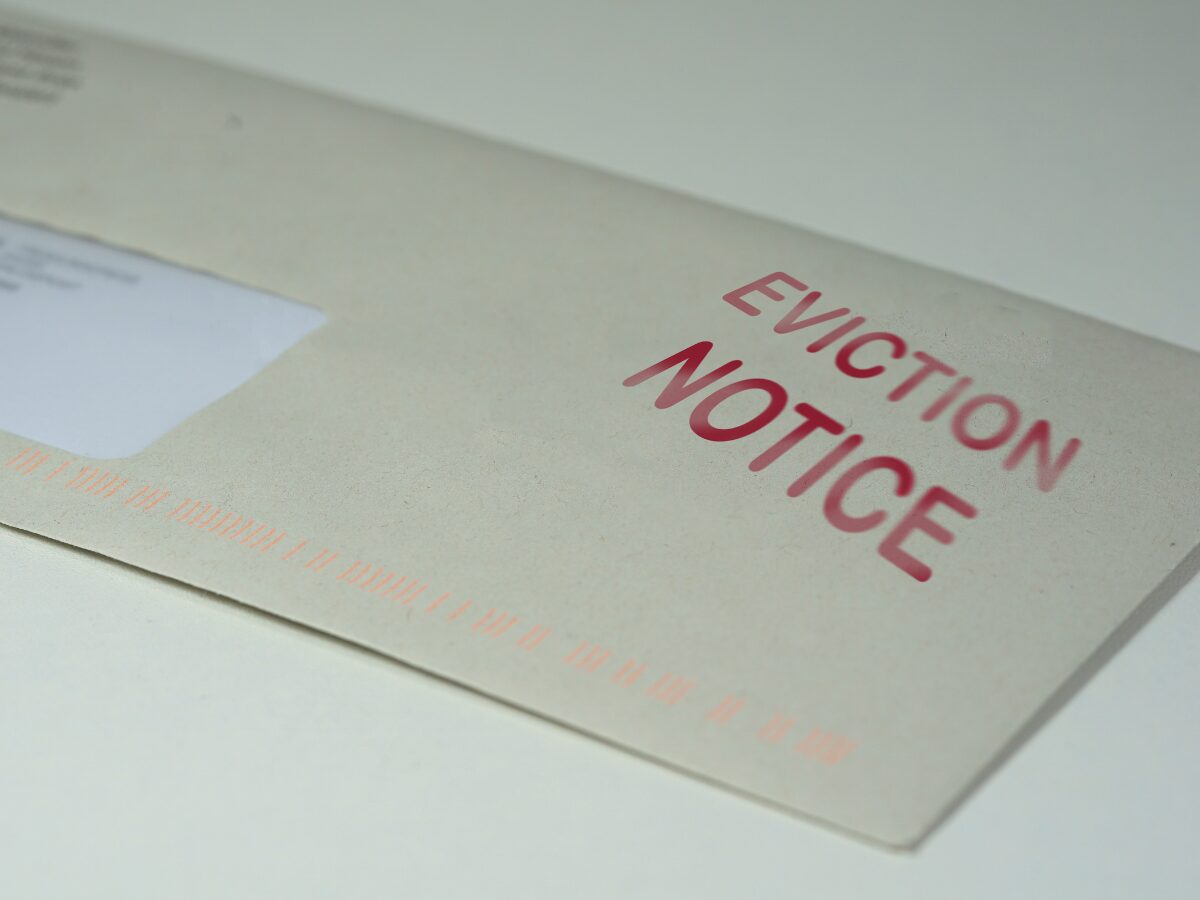
A new Social Housing Bill gives landlords and courts the power to evict domestic abuse perpetrators without victims having to leave their homes first, closing loopholes that have long put survivors at risk of homelessness.
In a press release, the government announced new protections for victims of domestic abuse. The new law will give social housing landlords more powers to evict domestic abuse offenders, and “victims will be able to stay safely in their communities”, according to the press statement. Currently, the perpetrator can only be evicted once the victim has left the property and if it’s a joint tenancy, the victim’s one option is to cancel the contract altogether, risking becoming homeless.
The press release also states the landmark Social Housing Bill returned for its second reading 1 June. The bill applies to England only.
This bill sits alongside the Social Housing Regulation Act 2023, which introduced a requirement for registered providers to work with other agencies tackling domestic abuse and enable tenants to access appropriate support and services.
In addition, the new legislation closes a loophole that allows abusers to serve a ‘Notice to Quit’, thereby enabling the joint social housing tenancy to end while court proceedings are ongoing.
Stats show that 1 in 4 women will experience domestic abuse from their partner or ex in their lifetime. A woman is killed every five days in the UK.

In response, campaigners from the Domestic Abuse Housing Alliance said it was “an important and long overdue step forward”.
PM Keir Starmer stated in the press release:
“No victim of domestic abuse should face the awful choice between staying in danger or losing their home. This government is putting that right, so perpetrators are forced out, and survivors and their children can stay safely in the homes and communities they know and love.”
Domestic Abuse Commissioner, Dame Nicole Jacobs, said:
“Sharing a social home with a perpetrator presents victims and survivors of domestic abuse with an impossible choice. Remaining in their home means facing further abuse, but leaving could put them at risk of homelessness and struggling financially.
“Alongside survivors and campaigners, I have been calling for action to be taken to stop perpetrators from weaponising joint tenancies – and I’m pleased to see that the government has listened.”